

SCIENCE OF PLACE
YAKANAL’s work is rooted in “Science of Place”—the long-standing, place-based knowledge that has enabled Indigenous communities to live healthy, sustainable lives for thousands of years.
In this framework, science is inseparable from cultural identity. It is grounded in relationships with land, water, plants, animals, and celestial cycles, and it thrives when humans live in reciprocity with nature.
Science of Place is embedded in Indigenous cultural traditions and passed on to future generations holistically through diverse forms of cultural expression, including language, foodways, architecture, art, ceremony, and ecological stewardship.

SCIENCE OF PLACE
YAKANAL’s work is rooted in “Science of Place”—the long-standing, place-based knowledge that has enabled Indigenous communities to live healthy, sustainable lives for thousands of years.
In this framework, science is inseparable from cultural identity. It is grounded in relationships with land, water, plants, animals, and celestial cycles, and it thrives when humans live in reciprocity with nature.
Science of Place is embedded in Indigenous cultural traditions and passed on to future generations holistically through diverse forms of cultural expression, including language, foodways, architecture, art, ceremony, and ecological stewardship.


Living Expressions of Science of Place
Examples of how Indigenous knowledge carries scientific understanding of the natural world.
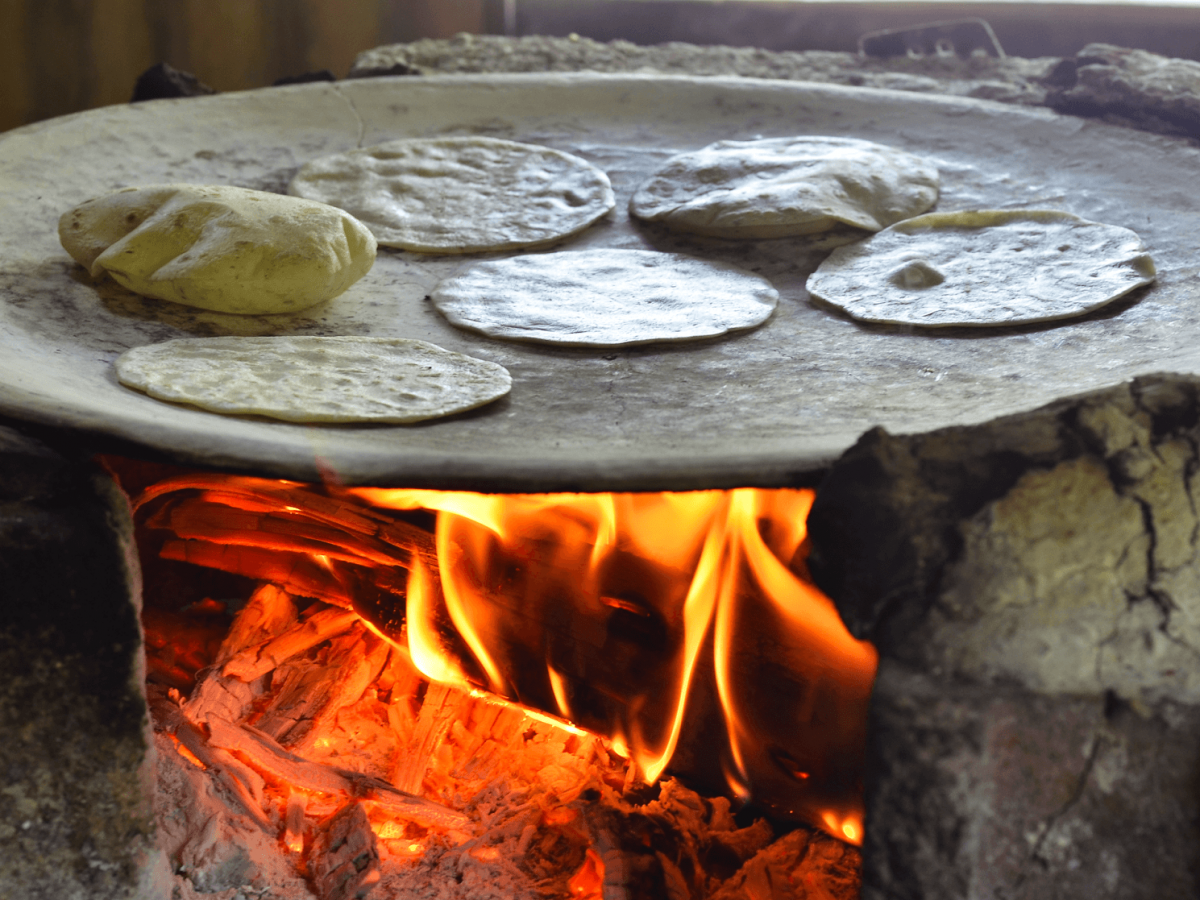
Traditional corn preparation with calcium hydroxide (quicklime) or potassium carbonate (wood ash lye), along with traditional tools such as metates, comales, and piki stones, releases essential nutrients.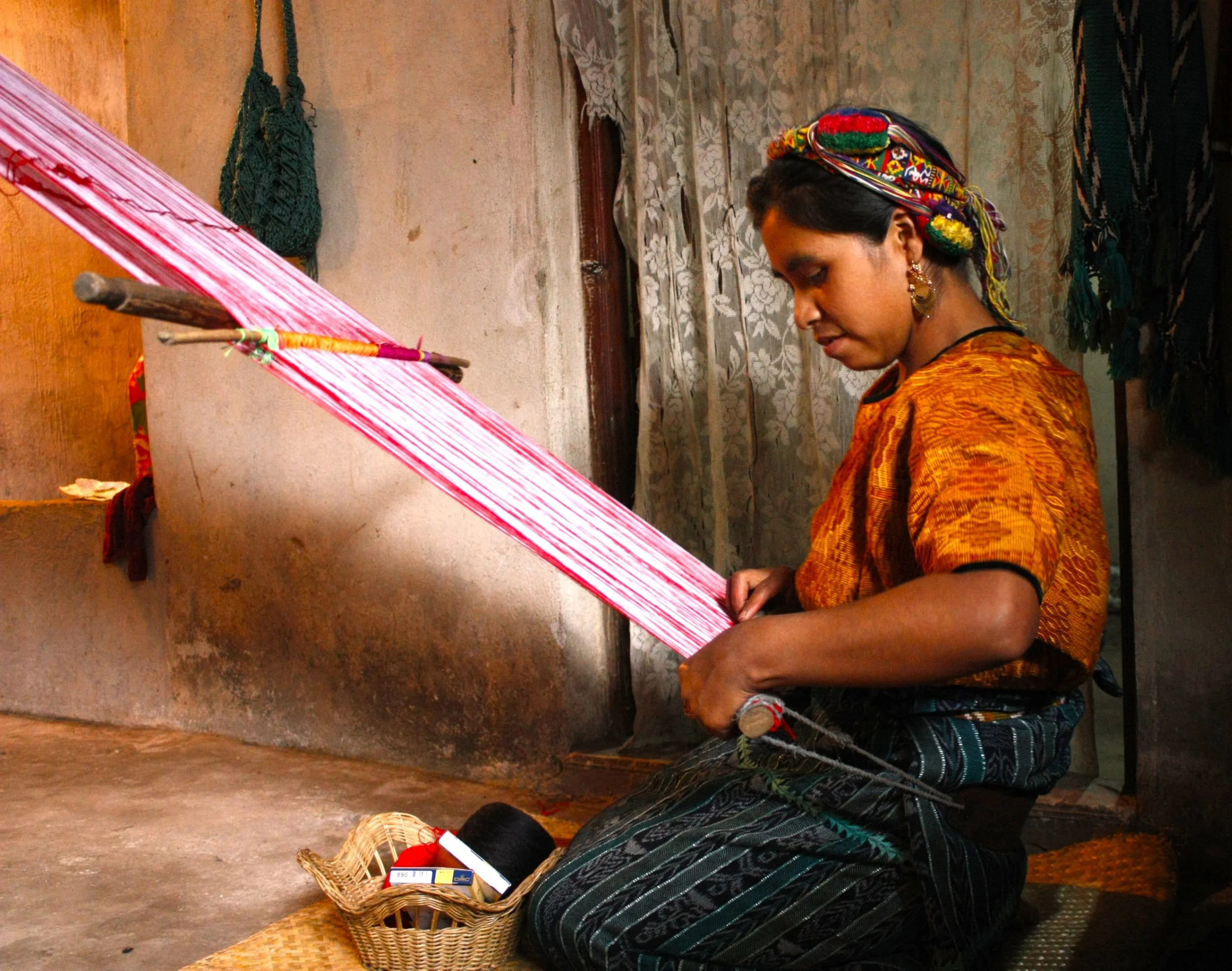
Weavers preserve the mathematics, patterns, and technologies of weaving in their memories and pass them down through generations, carrying forward both technical and cultural knowledge.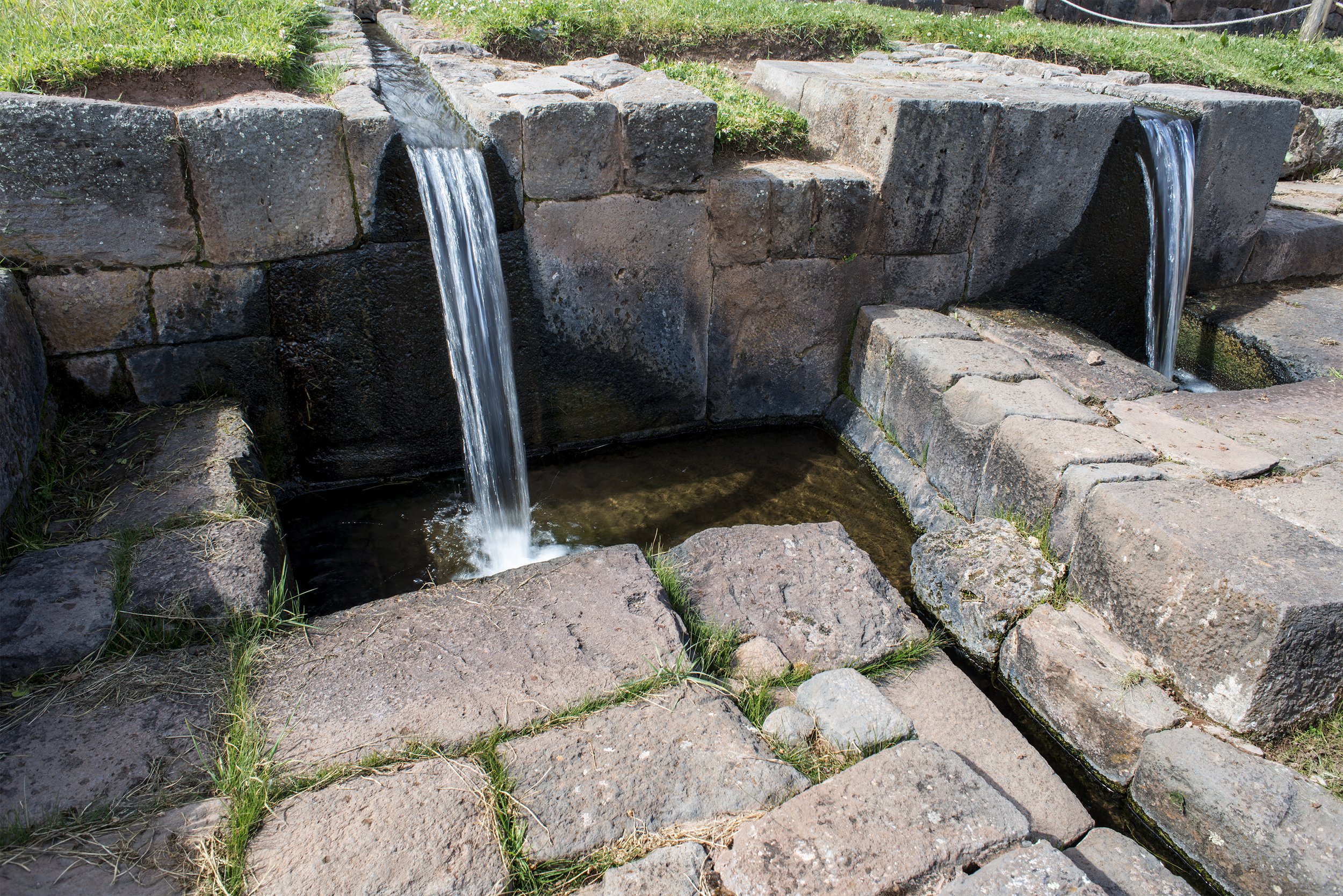
Communities manage traditional water systems, such as canals, ditches, and cisterns, according to principles of equity and reciprocity. Water stewards, such as “Tomeros” and “Hoochanee,” oversee the collective use of water.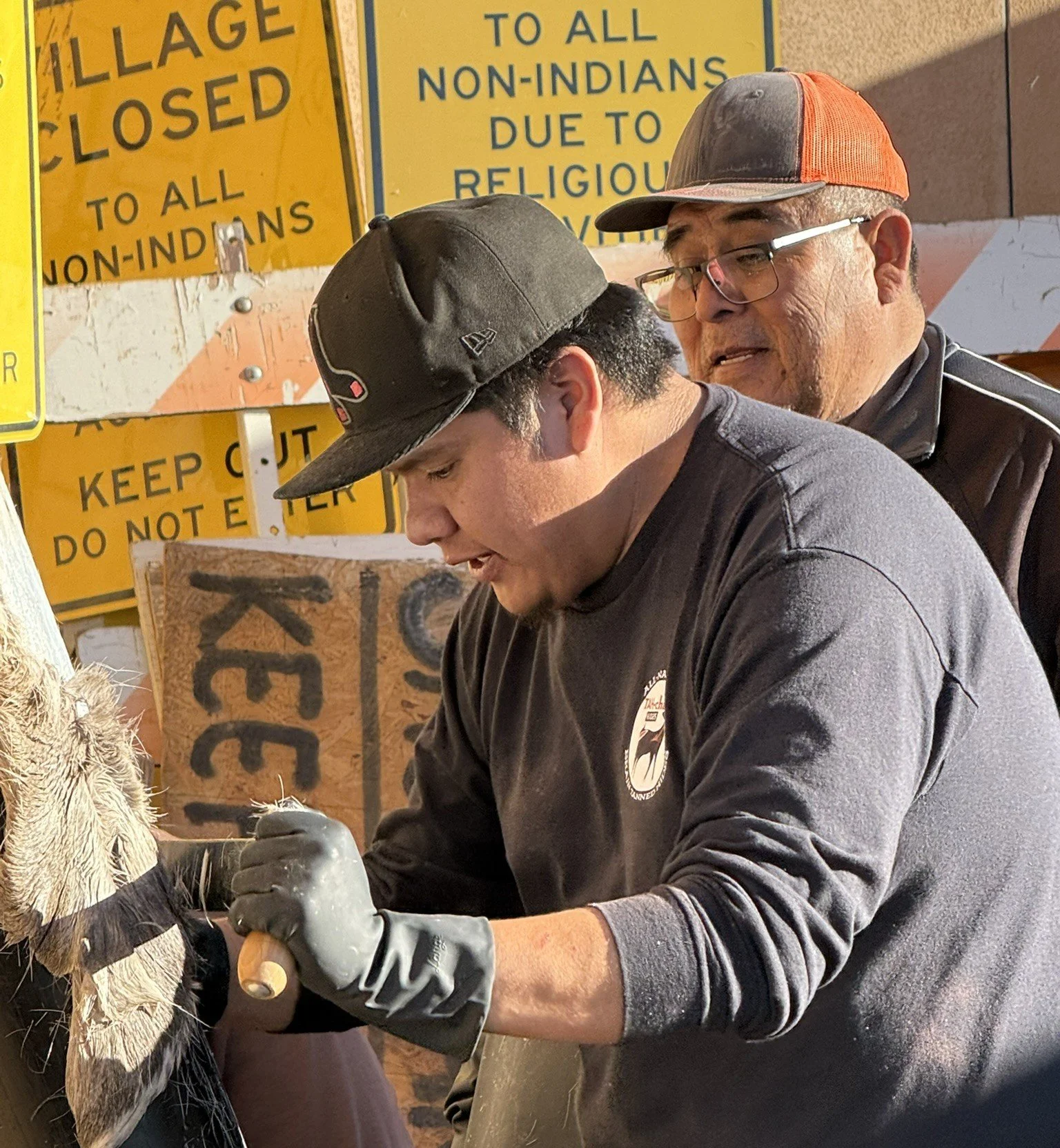
Communities practice sustainable hunting through reciprocal relationships and ritual. They apply their knowledge of tanning and hide preparation to understand natural materials and steward resources responsibly.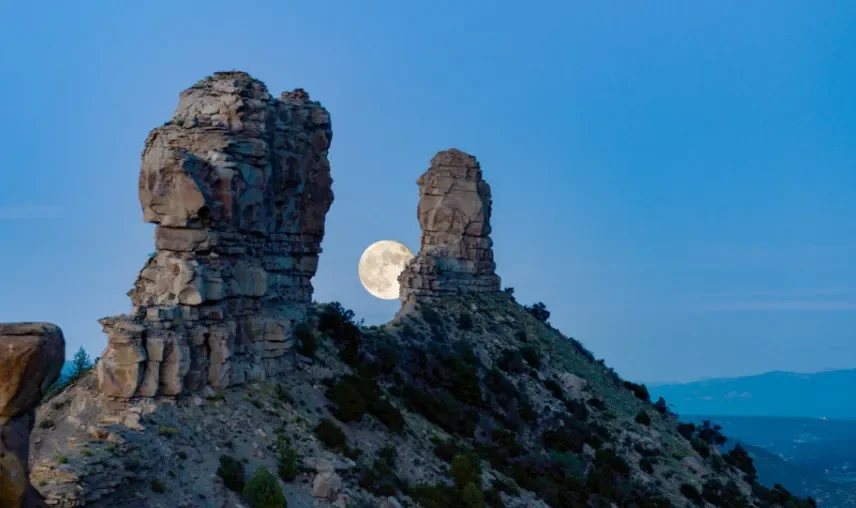
Indigenous people use astronomy to support lifeways by observing celestial patterns, tracking seasons, developing calendars, and aligning architecture with natural features in the landscape.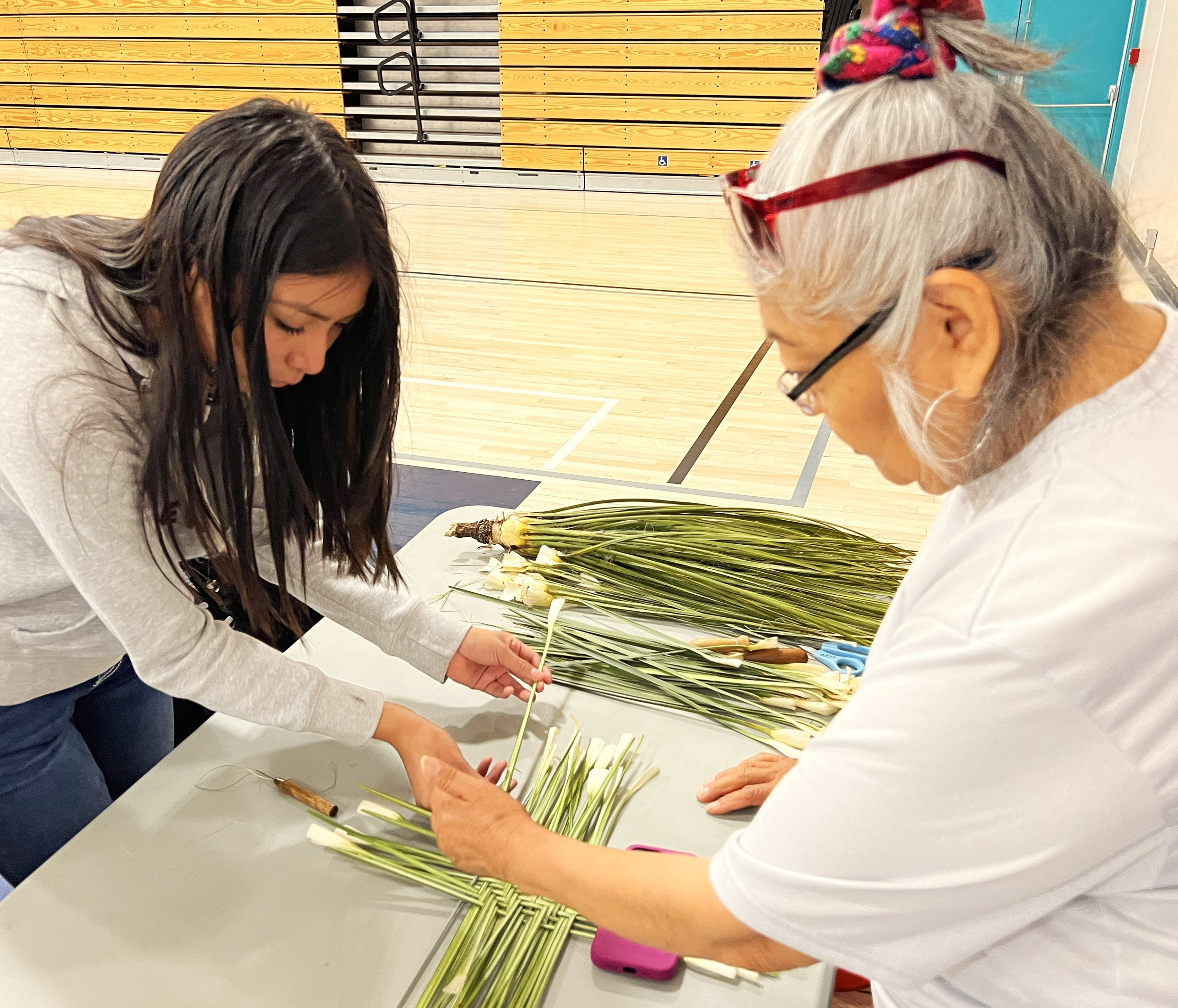
Communities integrate ethnobotany, environmental stewardship, and plant knowledge with traditional medicine, arts and crafts, and the diversification of heirloom seeds.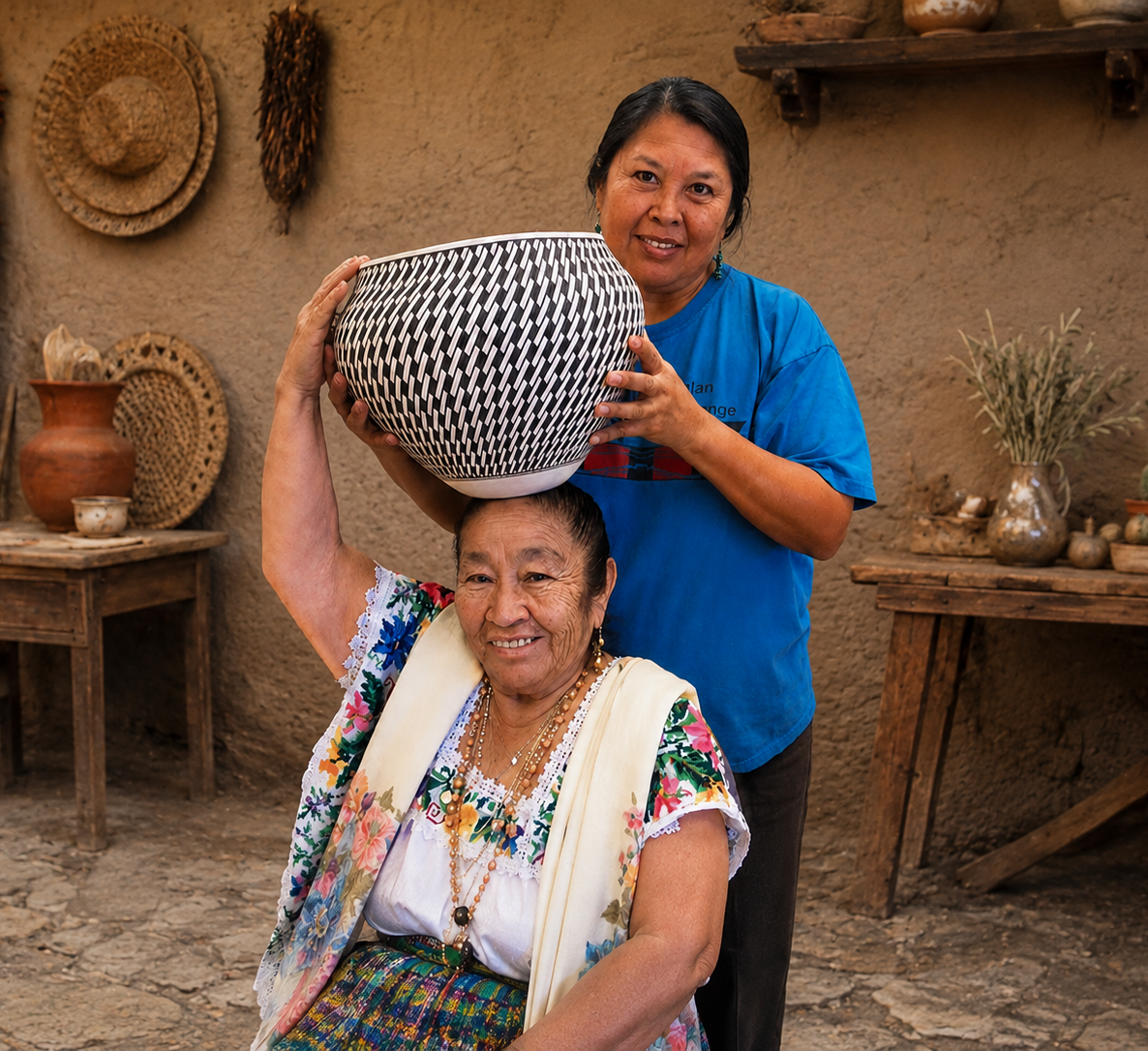
Potters use their understanding of the chemistry of clay, oxides, pigments, and tempering materials, including how these materials interact during forming and firing, to influence the color, texture, durability, and function of pottery.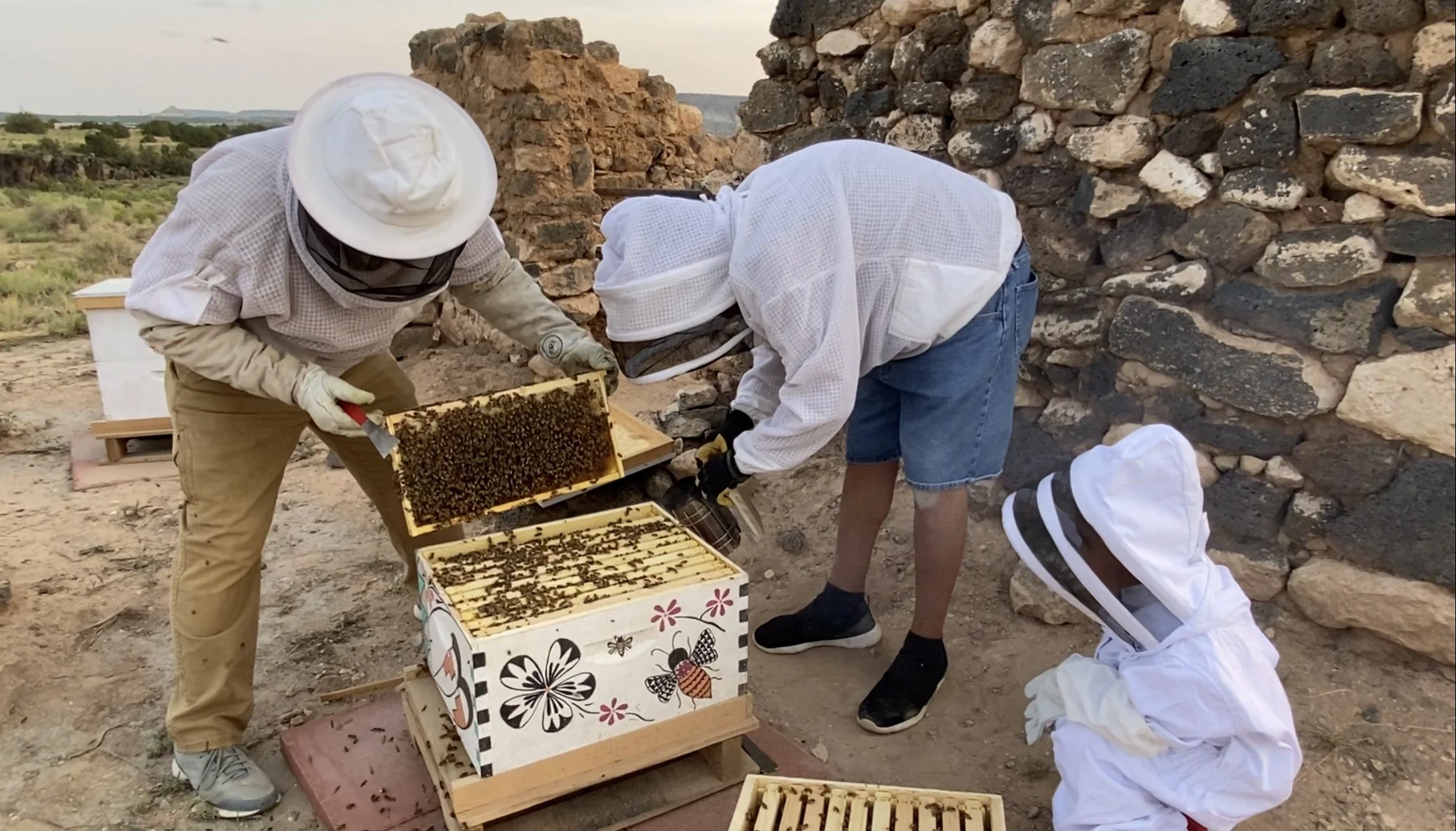
Indigenous communities use traditional beekeeping practices, including hive management and the medicinal applications of honey, to support healing and wellness.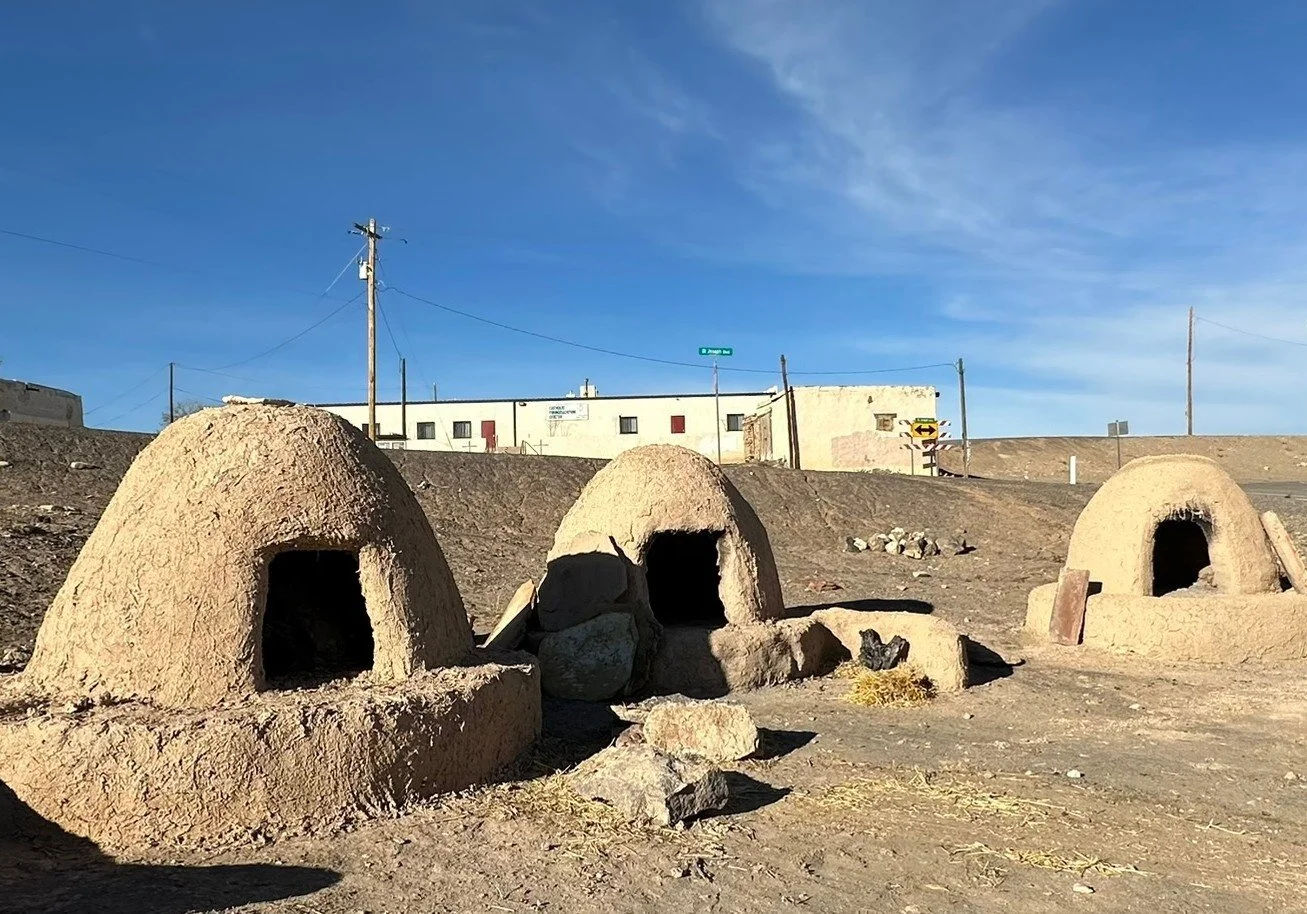
Practitioners use sacred geometry to connect architecture with celestial cycles and apply material science to ancestral and contemporary earthen buildings in relationship with their environment.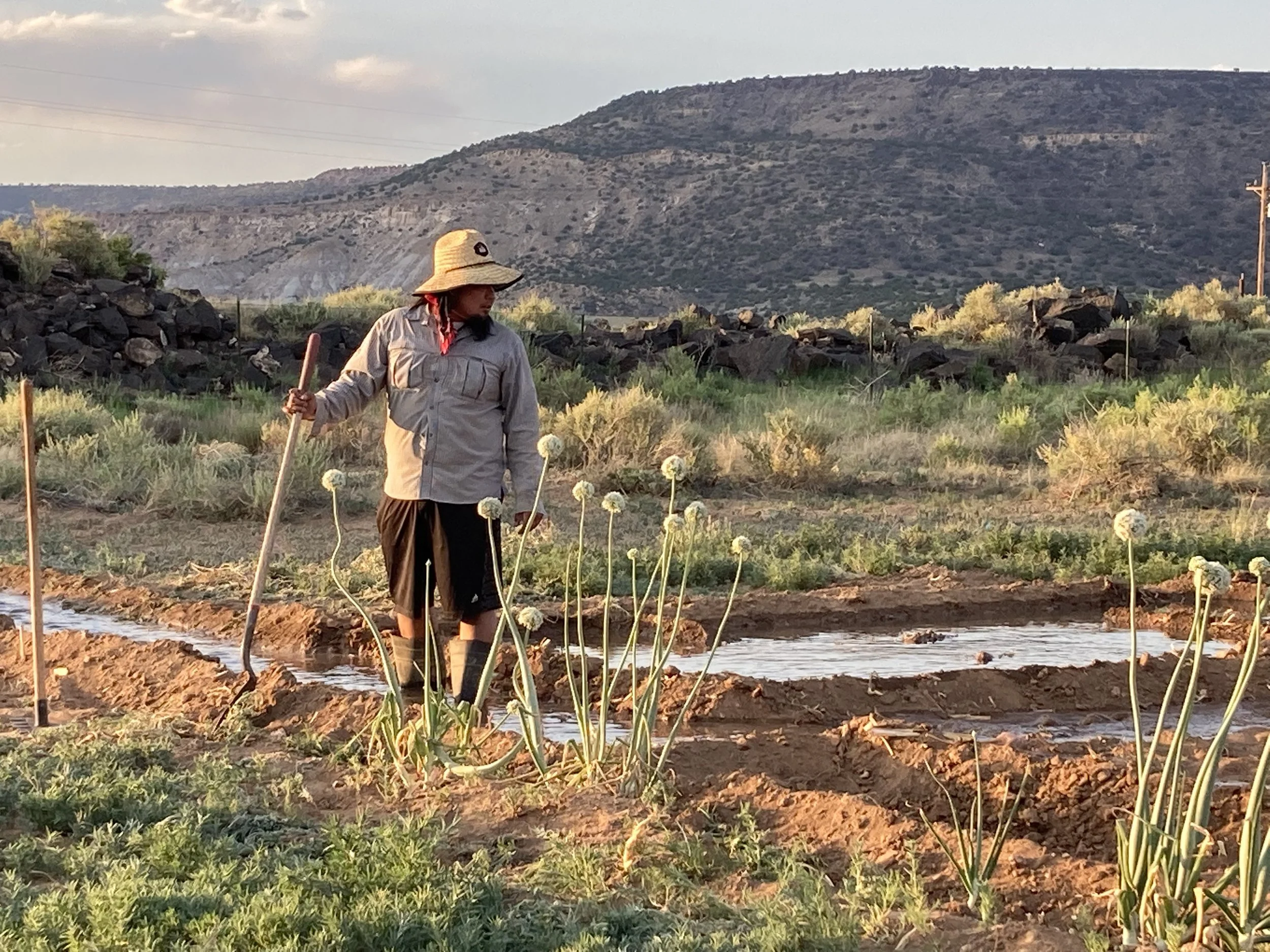
Traditional farmers use sustainable polyculture to improve soil health, support pollinators and edible insects, and promote biodiversity, while creating balanced habitats that complement crops.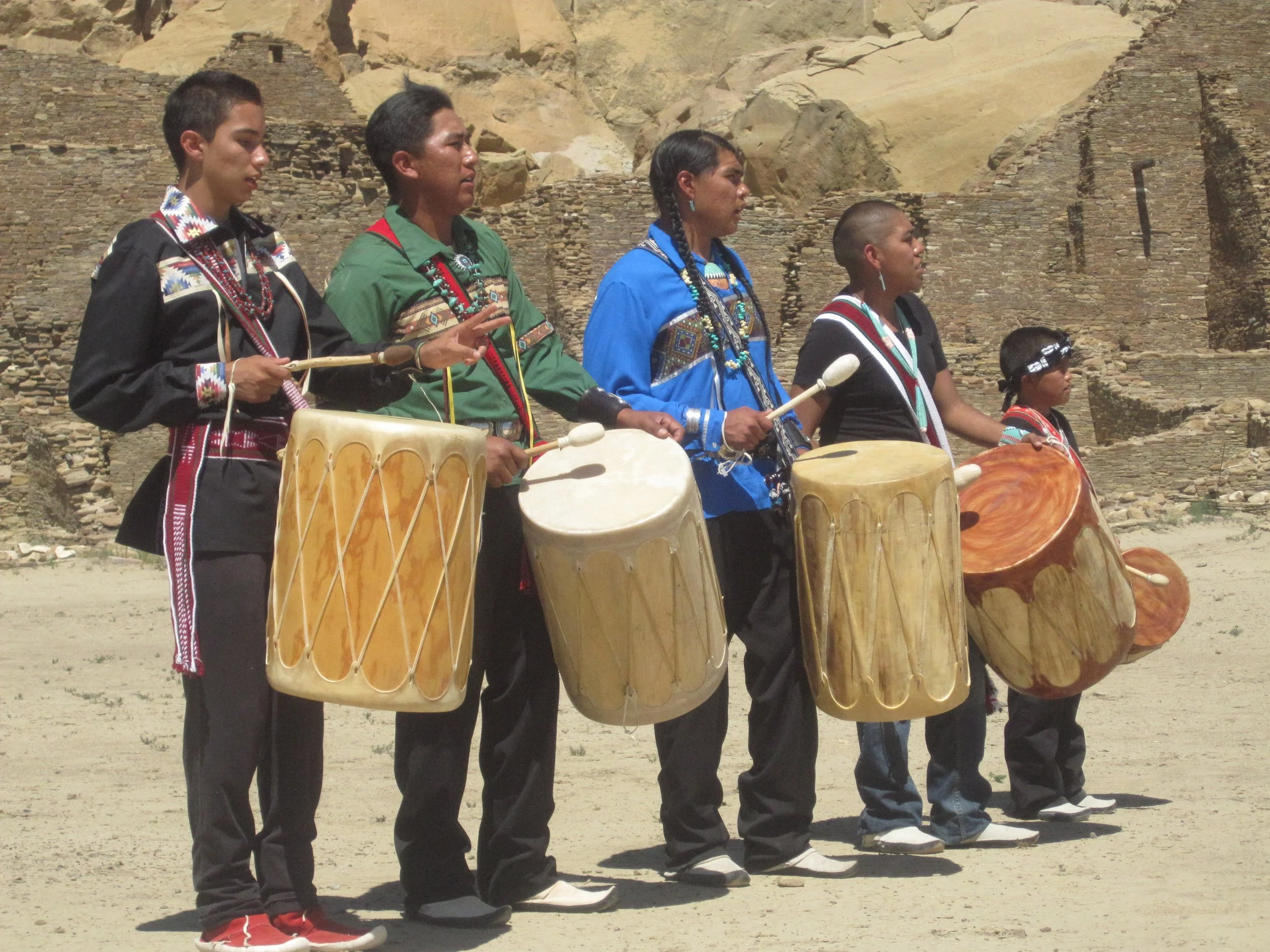
Practitioners carry ecological knowledge through poetry, song, instrument making, and dance. These practices reflect the science of place by encoding knowledge of seasons, materials, and environmental relationships.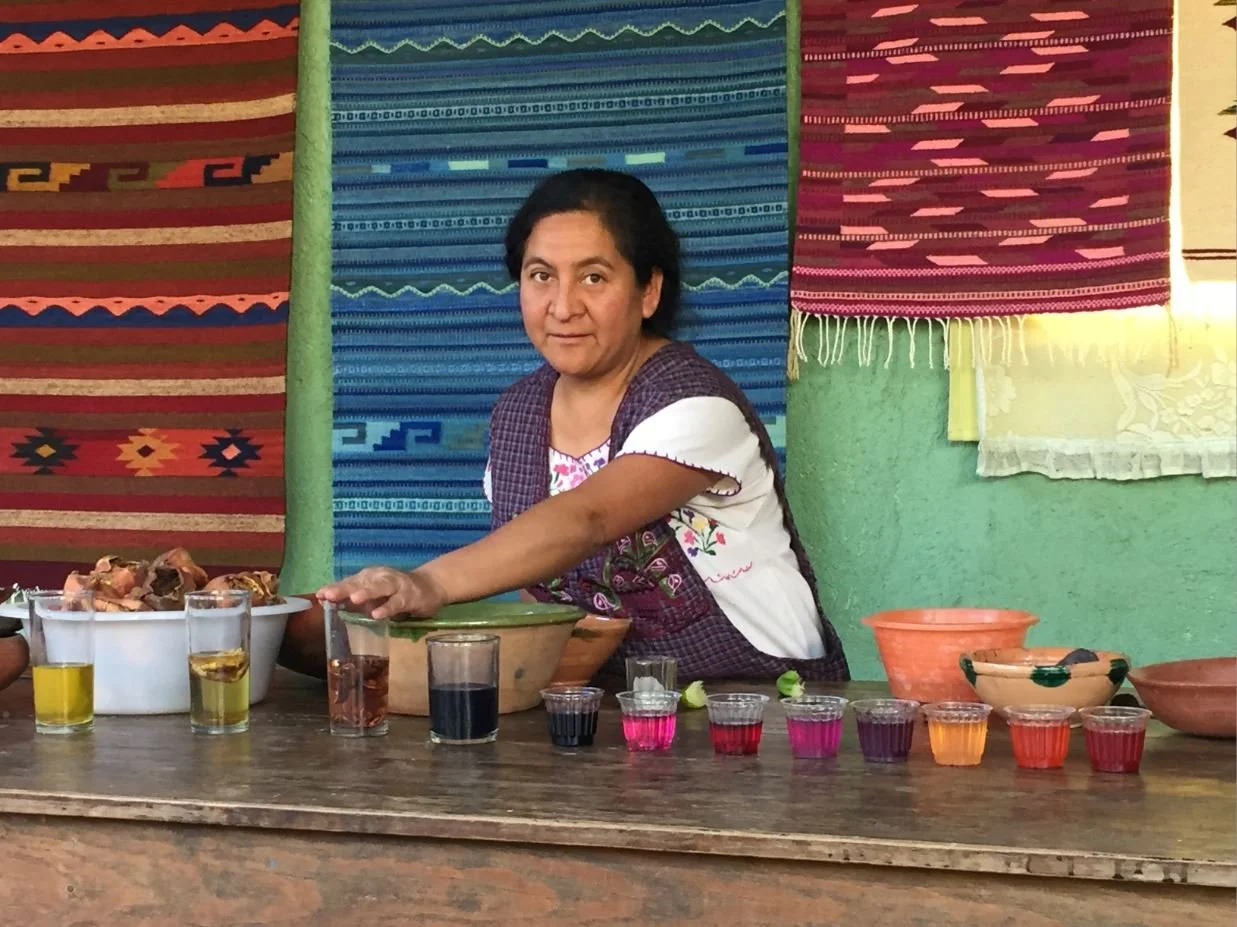
Knowledge holders draw on the chemistry, ethnobotany, and dye properties of natural pigments, including their plant-based origins, reciprocal processes, and interactions with fibers and mordants, to produce lasting color.
Through YAKANAL, participants learn, practice, and share the scientific legacies of our ancestors, carrying forward the Science of Place that lives in Indigenous cultural traditions.