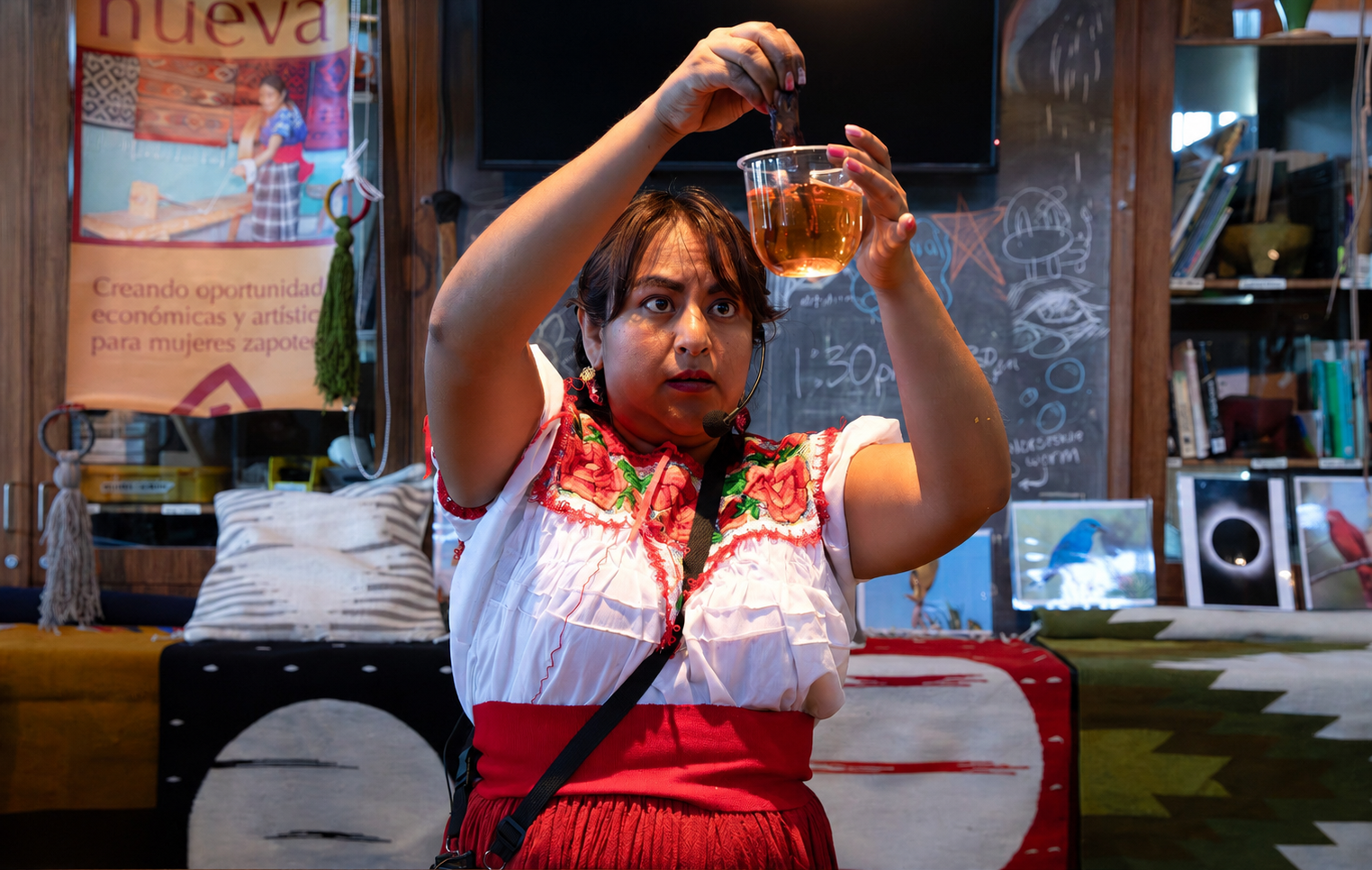
OUR COMMUNITIES
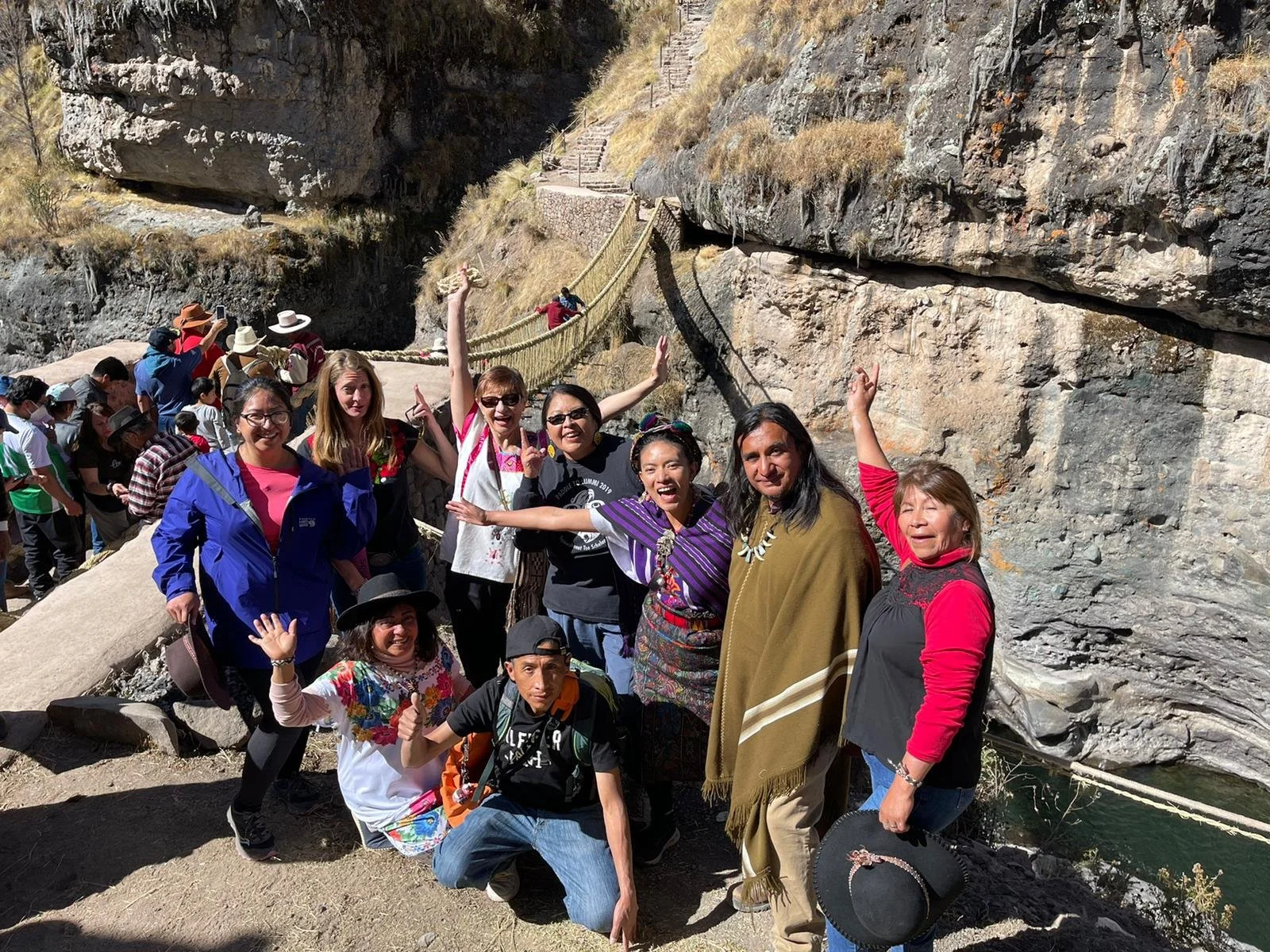
OUR COMMUNITIES
YAKANAL works in relationship with and serves Indigenous communities across the Americas, honoring local cultural protocols and the knowledge systems that continue to sustain languages, biocultural landscapes,
and living traditions.

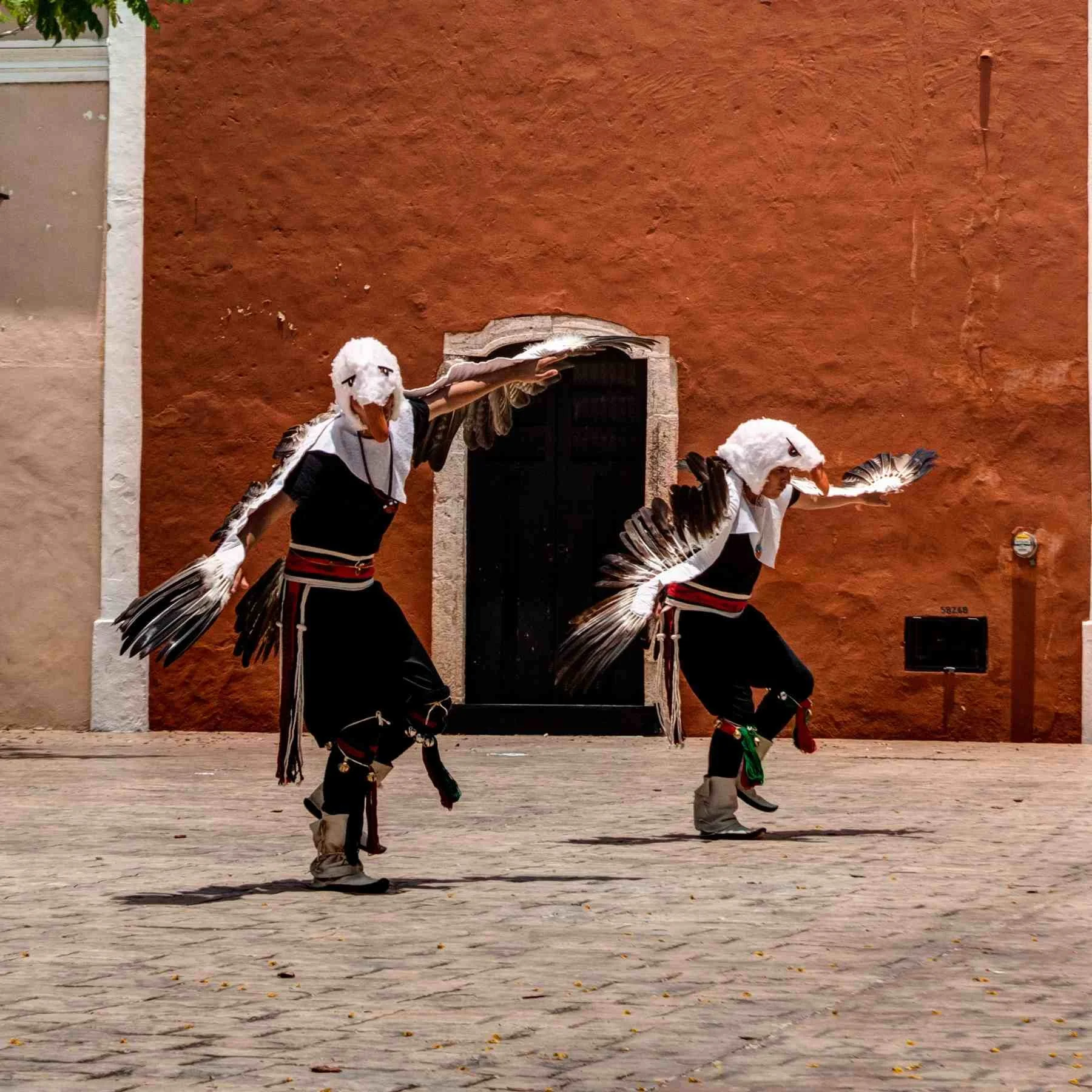
PUEBLO
Pueblo communities carry deep knowledge of desert ecologies, agriculture, and ceremonial traditions that connect land, sky, and community life.
-
Pueblo languages belong to several language families including Tewa, Tiwa, Towa, Keres, and Zuni.
-
Pueblo communities are located primarily in what is now the U.S. Southwest, including present-day New Mexico, Arizona, and Texas. Their territories include desert landscapes, mesas, rivers, and agricultural lands shaped through generations of stewardship.
-
Pueblo knowledge systems include dryland agriculture, water stewardship, astronomy, architecture, pottery, weaving, and ceremonial practices that sustain community life across generations.
ZAPOTEC
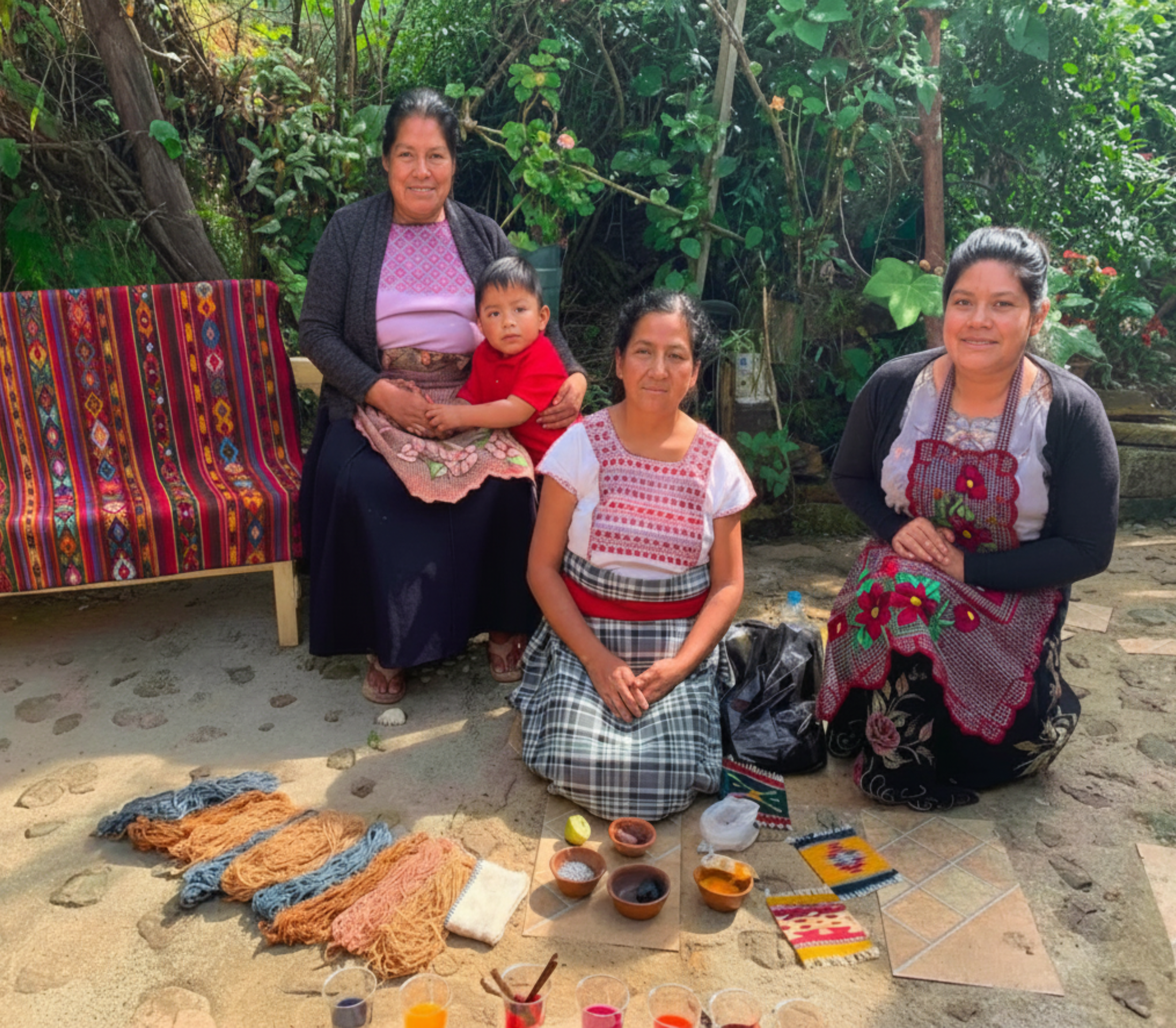
Zapotec communities maintain cultural traditions rooted in the mountains and valleys of Oaxaca, where language, agriculture, and craft knowledge continue to shape community life.
-
Zapotec languages form a diverse language family spoken across Oaxaca.
-
Zapotec territories include the Central Valleys, mountains, and coastal regions of Oaxaca, Mexico. These landscapes have supported agricultural systems, sacred sites, and complex societies for millennia.
-
Zapotec knowledge systems include early domestication of native seeds, weaving, pottery, natural dye traditions, and ceremonial practices that reflect deep connections between land, community, and cultural memory.
MAYA
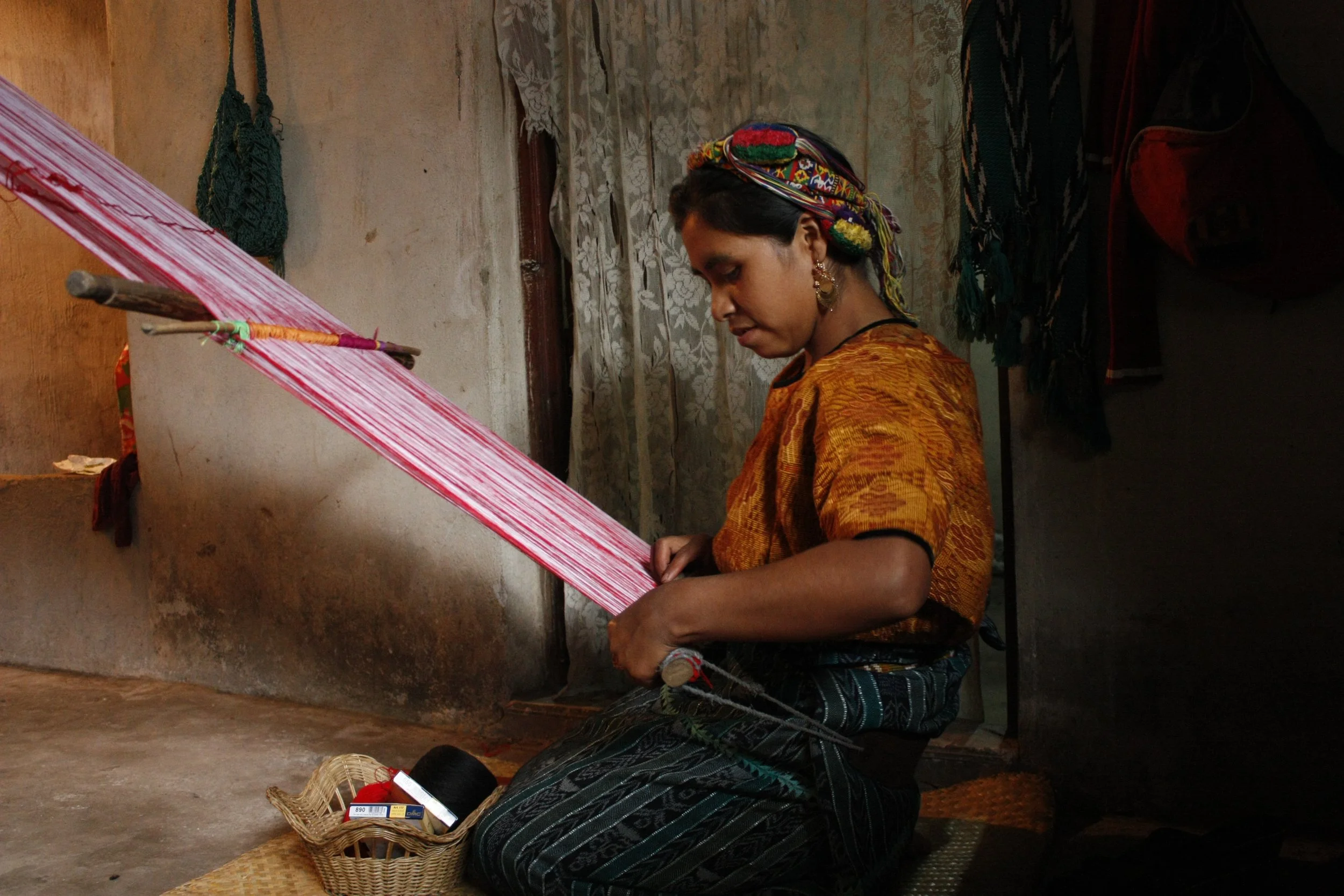
Maya communities sustain knowledge systems rooted in rainforest, highland, and lowland ecologies, agriculture, astronomy, and language traditions that connect people with land, time, and the cosmos.
-
Mayan languages form a large linguistic family spoken across southern Mexico, Guatemala, Belize, Honduras, and El Salvador.
-
Maya territories span tropical forests, limestone plateaus, mountain and volcanic regions, rivers, and agricultural landscapes in Mesoamerica—southern Mexico, Guatemala, and parts of Belize, Honduras, and El Salvador. These environments have shaped agricultural systems, settlement patterns, and sacred geographies for thousands of years.
-
Maya knowledge systems include milpa or symbiotic agriculture, astronomy, calendar science, architecture, weaving, and medicinal plant traditions that reflect deep observation of nature and long-term stewardship of the land.
ANDEAN
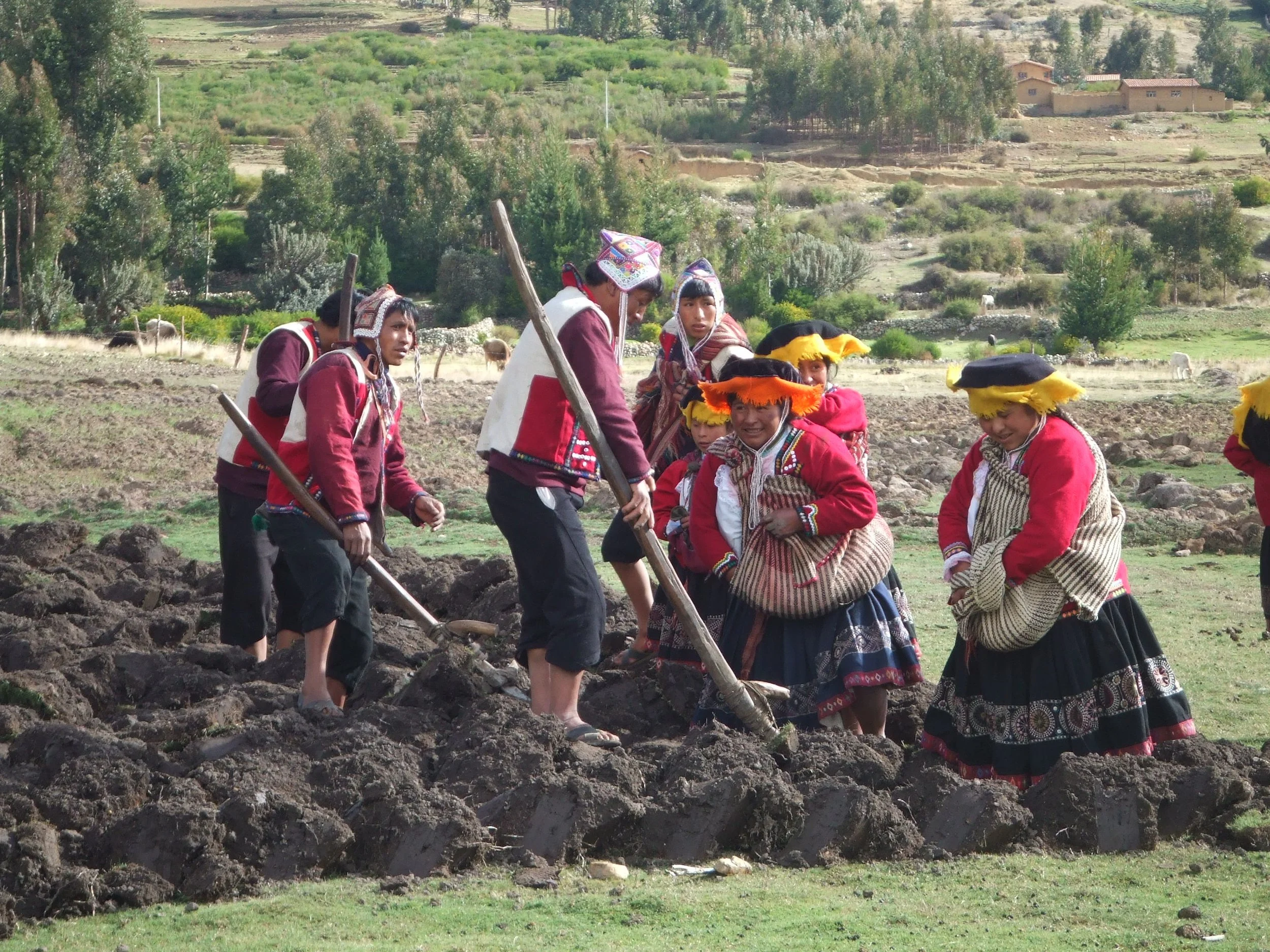
Andean communities sustain knowledge systems shaped by mountain landscapes, agricultural diversity, and cultural traditions rooted in reciprocity with the land.
-
Languages such as Quechua and Aymara carry ecological knowledge, agricultural practices, and cultural values passed through generations. Language continues to be central to community life across the Andes.
-
Andean territories span high mountain ranges, valleys, and diverse ecological zones along the Andes of Colombia, Ecuador, Peru, Bolivia, Chile, and Argentina. Indigenous communities have long adapted to these environments through sophisticated agricultural systems and landscape management.
-
Andean knowledge systems include terrace agriculture, potato and maize diversity, weaving traditions, astronomy, and water management practices that sustain life in high mountain ecosystems.

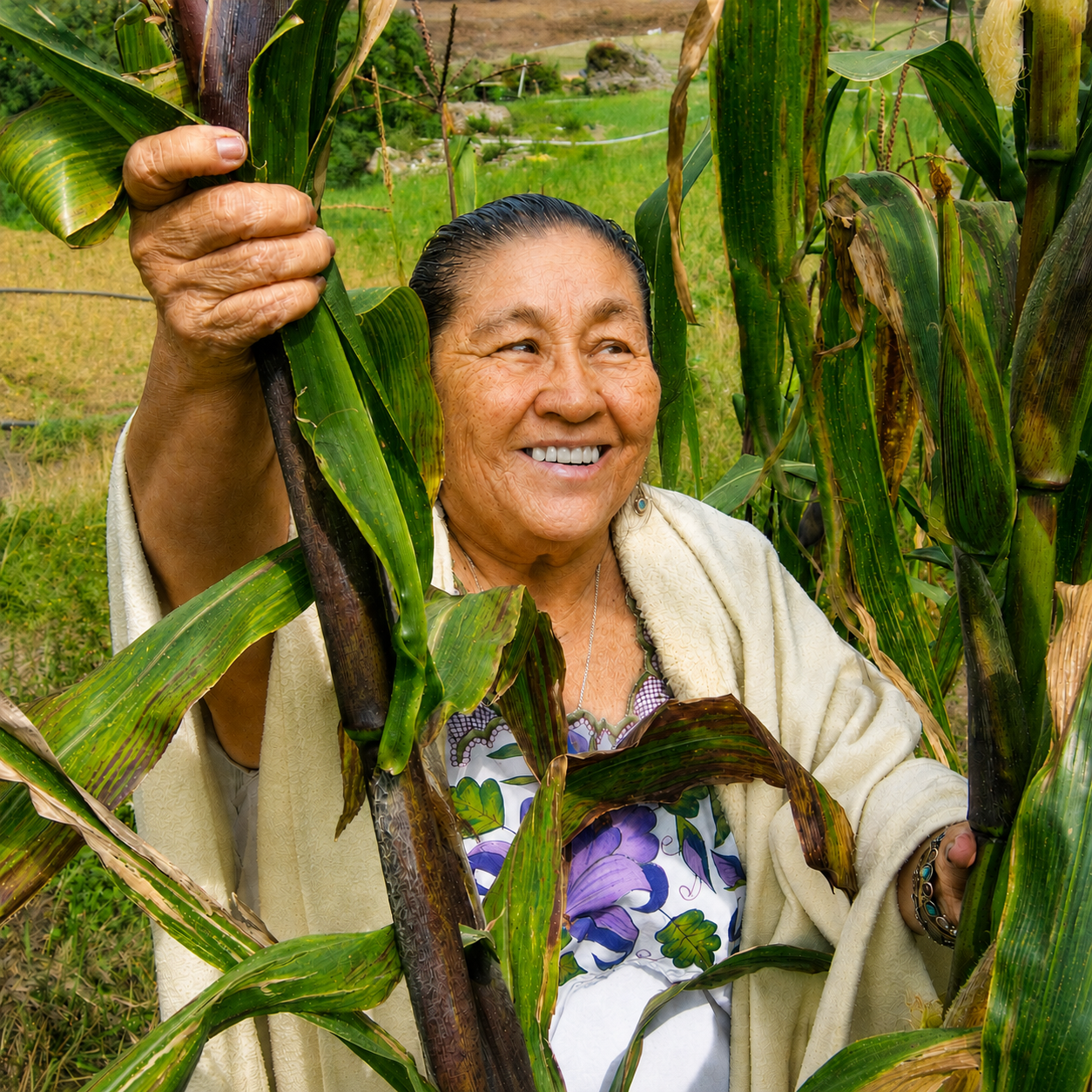
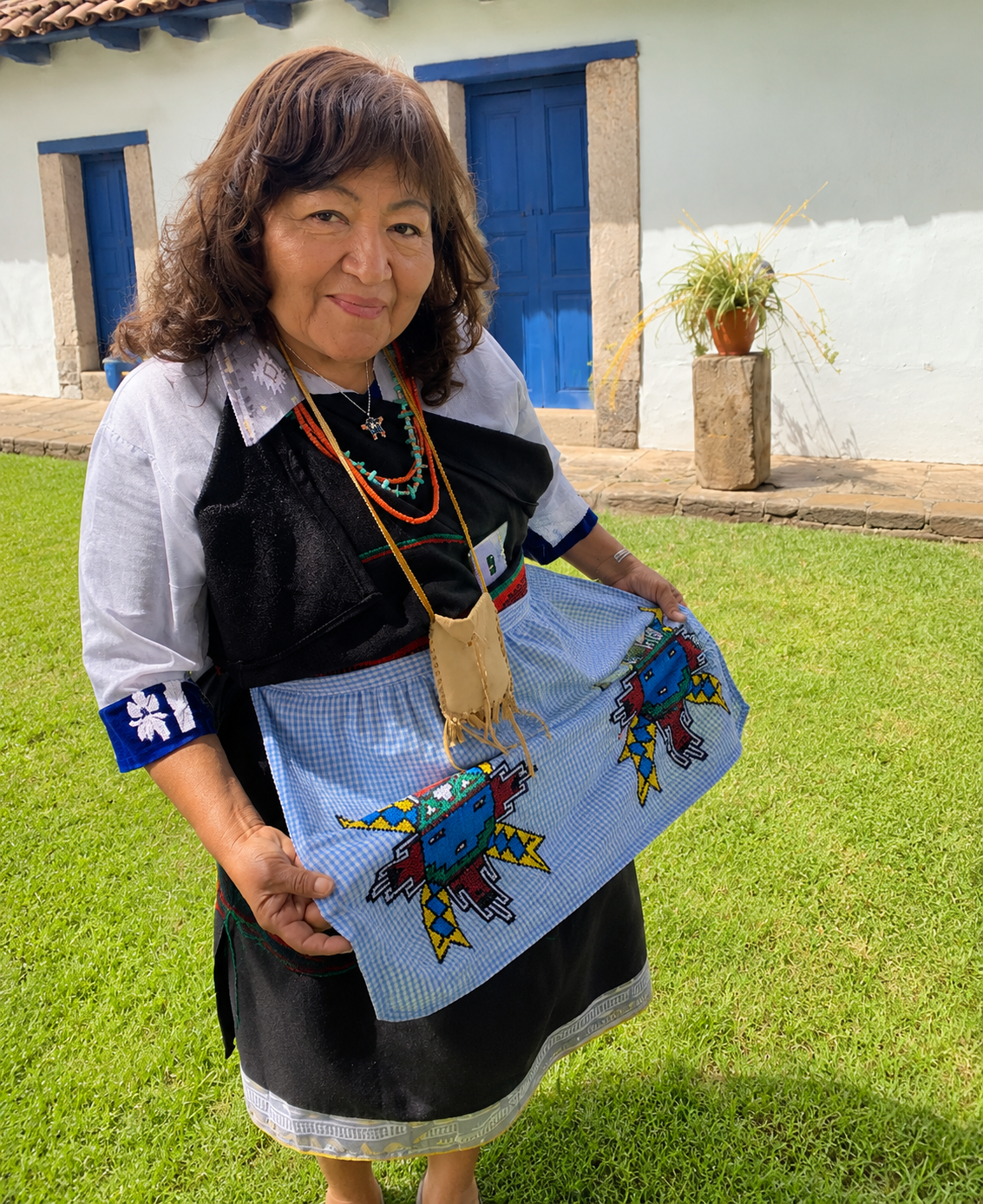
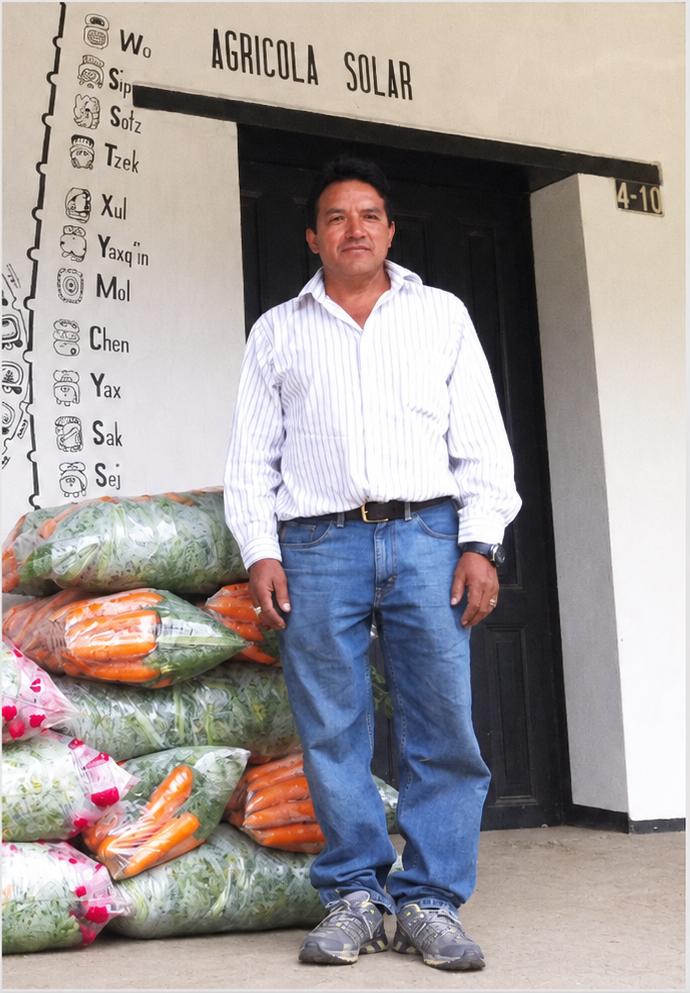
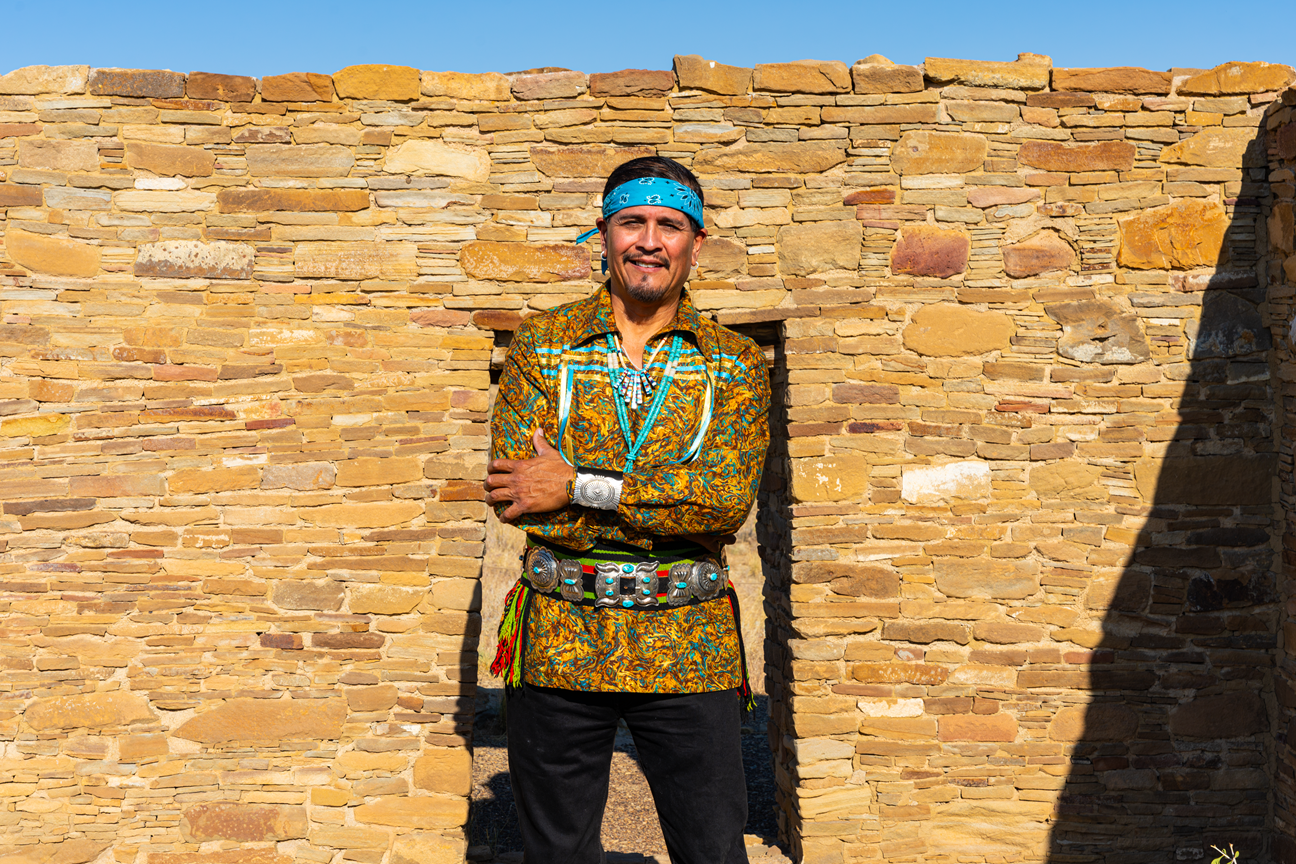
Knowledge keepers who carry generations of cultural wisdom
-
![]()
Ixquik Poz Salanic
K’iche’ Maya
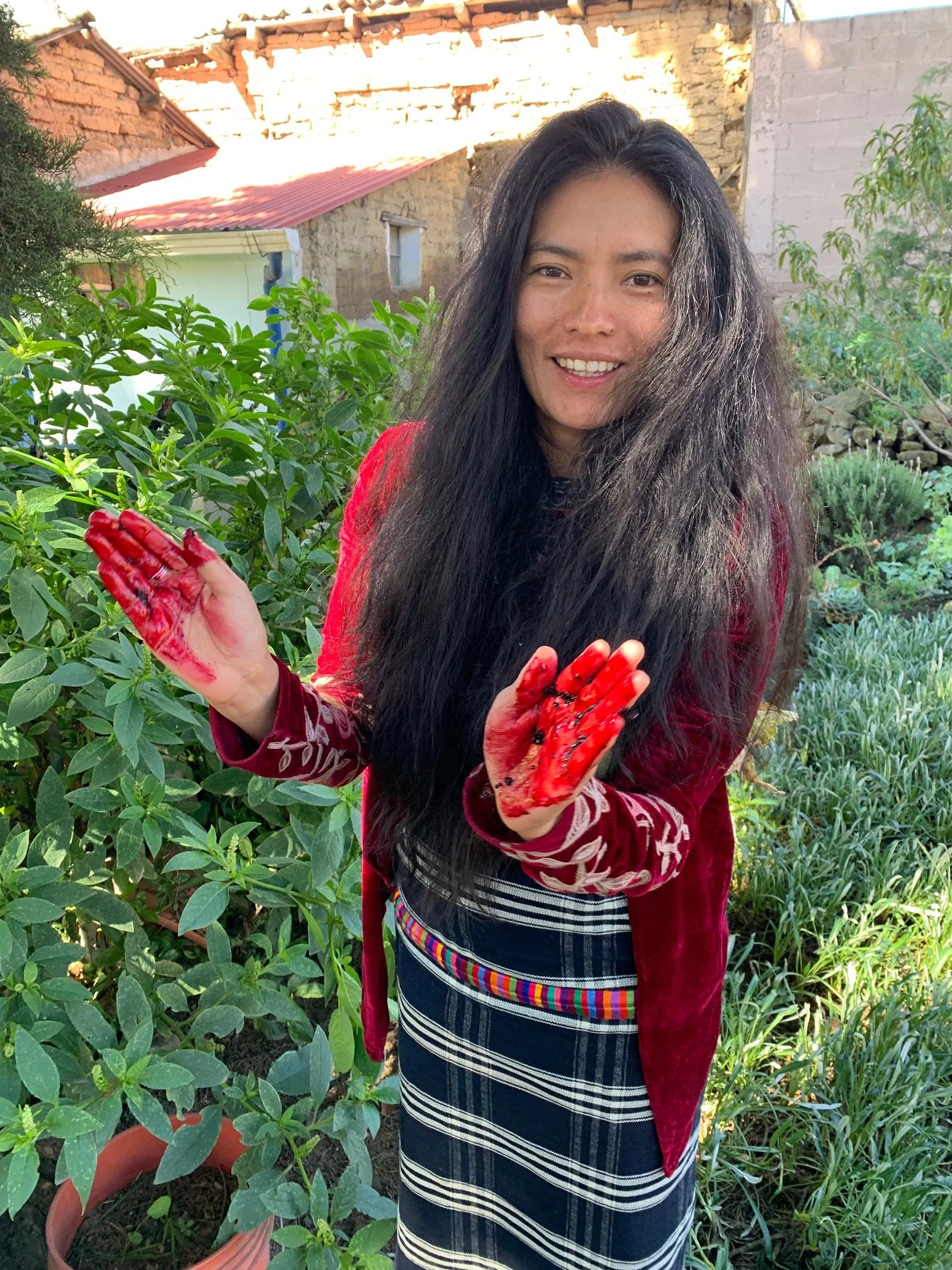
Ixquik is an Aj’q’ij or traditional calendar keeper and lawyer from Zunil, Quetzaltenango, Guatemala. She has a passion for defending Indigenous women's rights and tending medicinal plants such as a bright red berry used for making natural soaps and balms. She is continuing her family's and community's knowledge of more than twenty calendars that comprise the Maya system of ancestral timekeeping. Ixquik is mentored by her father and paternal aunt to continue the community's Maya calendar fire ceremony called Wajxaqib' B'atz' to celebrate a new cycle of renewal in time and space.
-
![]()
LUIS LÓPEZ TUYUB
Yucatec Maya
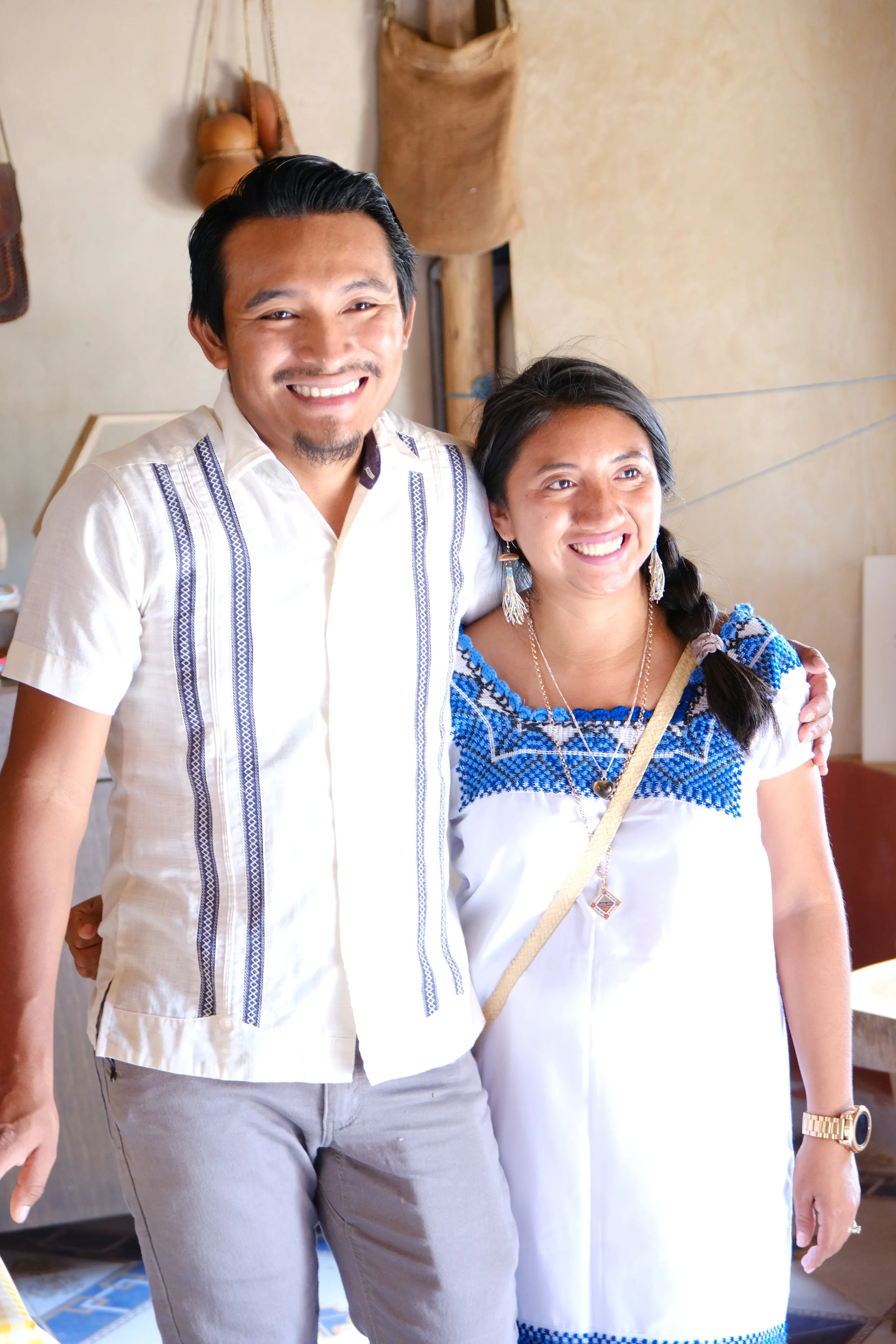
Luis is a traditional corn farmer and beekeeper of stingless bees (meliponiculturist) from Abalá, Yucatan, Mexico. In collaboration with his wife Marisol Itza Kuk, they integrate their education and experience as biochemists with ancestral knowledge from local elders. Through workshops and community celebrations, these understandings are being passed down to future generations of Maya cultural curators to caretake bioecological landscapes of native medicinal plants and stingless
"Xunan Kab" bee hives. These bees yield honey and other gifts that are highly valued by traditional medicine people in the area. -
![]()
JULIA BLUE BIRD
Oglala Lakota
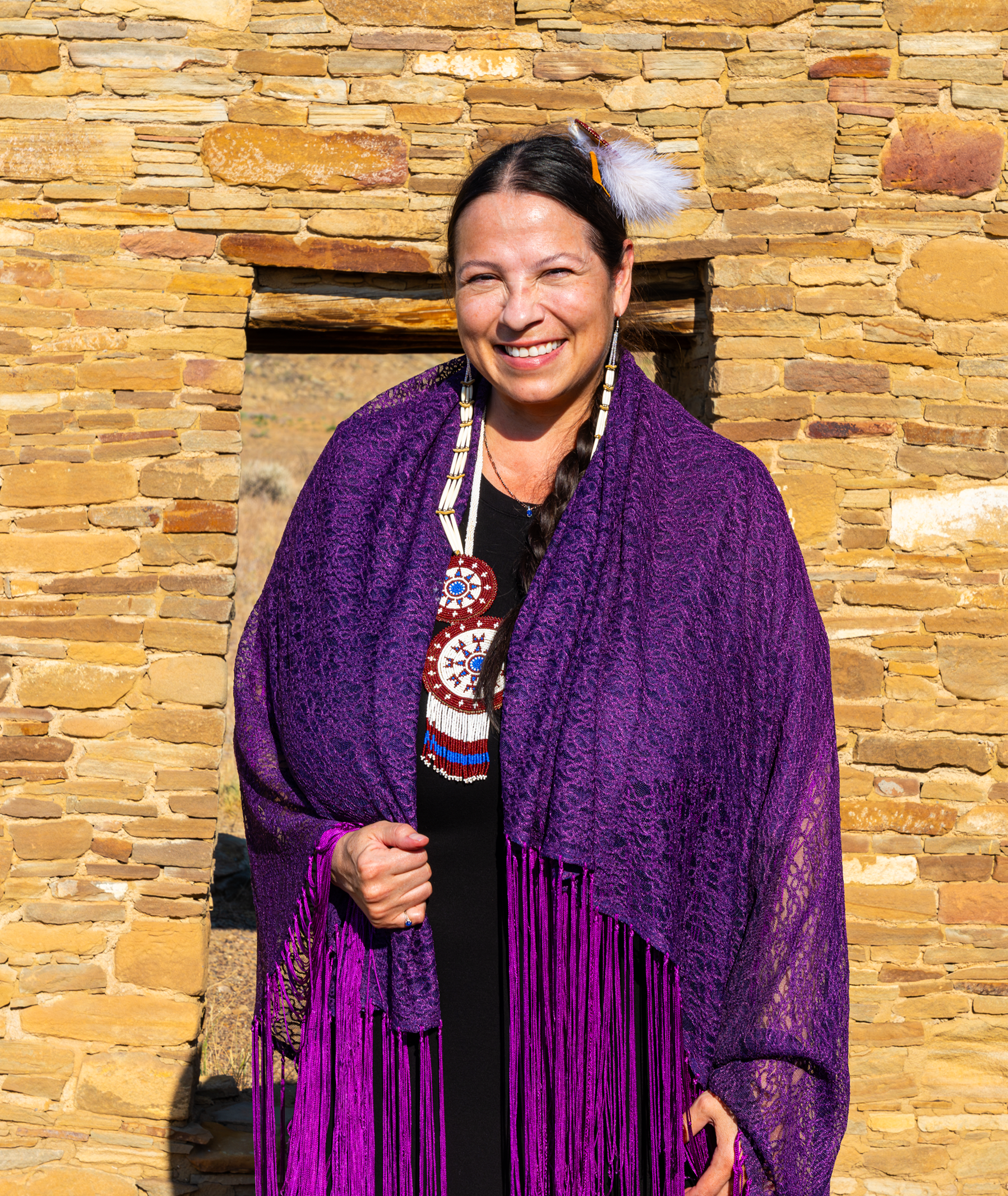
Julia is a knowledge keeper of celestial BIRDcycles from her Oglala Lakota lineage in North America and an astrophysicist. As a NASA engineer, Dr. Blue Bird worked on developing the broadband communication systems for the Orion spacecraft of the Artemis II mission to the Moon. During starry night events, she loves to share her knowledge of Deep Fields of galaxies and the Oglala Lakota cultural meaning of the Big Dipper. She thrives through her love of mentoring future generations and motivating all of us to reconnect with the night sky by looking up with our eyes and heart, green lasers, binoculars, and telescopes. -
![]()
KYLE SHPEYIAH SWIMMER
Laguna Pueblo, Eastern Band Cherokee, Chippewa Cree
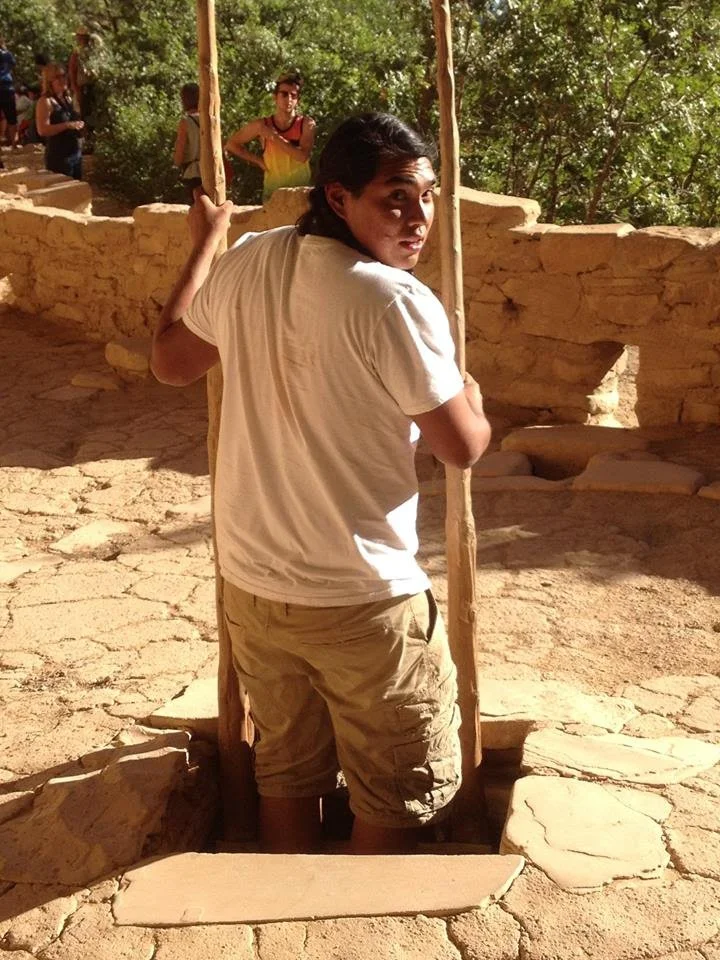
Kyle grew up in Laguna Pueblo, New Mexico, where he was raised by his maternal grandparents who encouraged him to relate to the natural world as the wisest and most intelligent source of knowledge. He contributes to his community by mentoring youth in cultural lifeways, including farming, beekeeping, and sustainable hunting. His training as an environmental engineer has served to inform state initiatives for environmental restoration. During the summers, Kyle visits his relatives at Cherokee, North Carolina, where he works with his paternal grandmother on local beekeeping. -
![]()
Catalina Blanco Guaman
Quechua
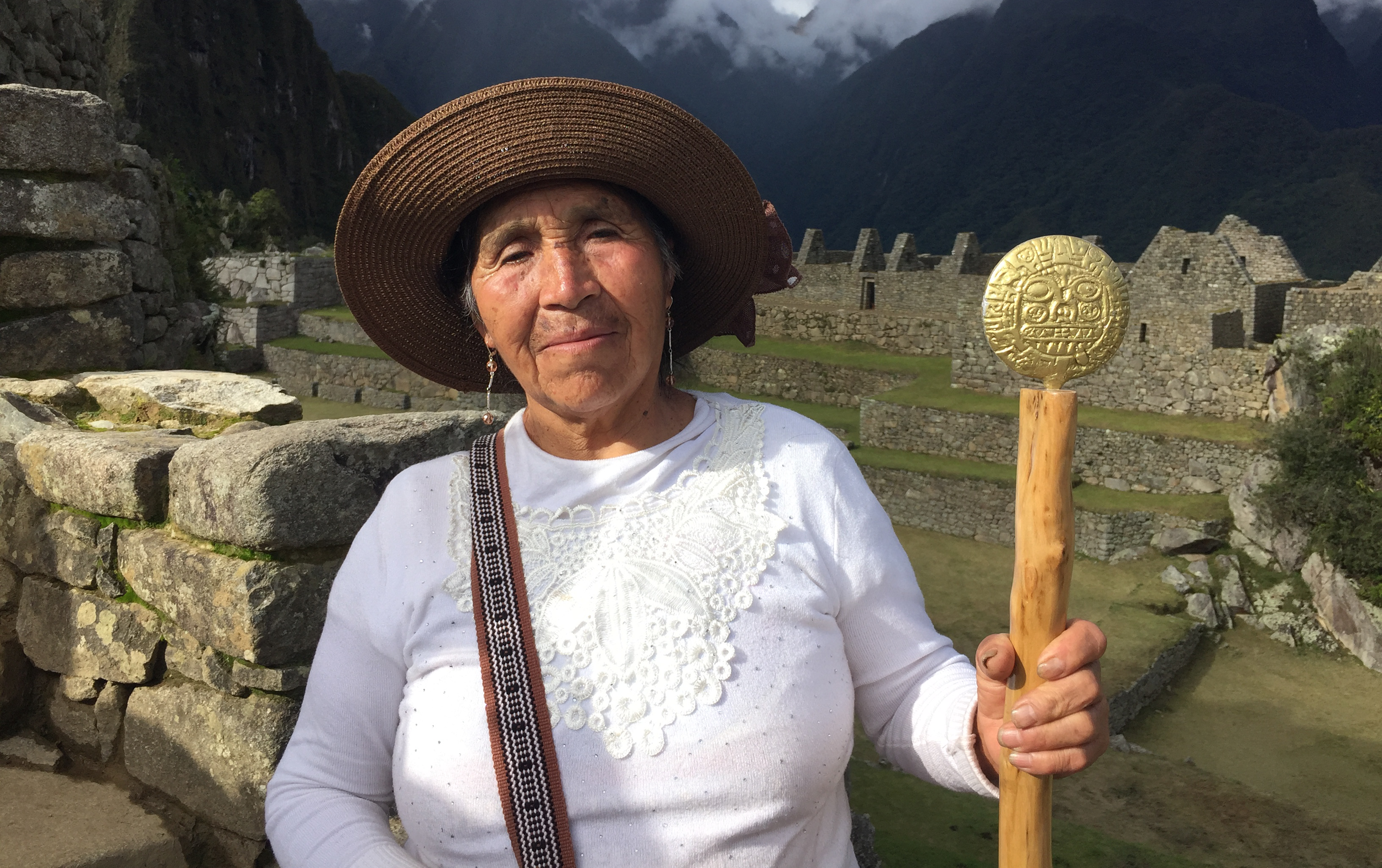
Catalina's knowledge of medicinal plants from the Cusco Region of the Andes of Peru is legendary. As a young mother, every week in the growing season she would jump on the train traveling to Machu Picchu to sell her produce in the local market. She is a Quechua elder and native speaker of her Indigenous language, which she uses to transmit her healing knowledge to her family and community. She also raises cuy, or native guinea pigs, which are a low-fat and healthy source of protein for her family and neighborhood. Her ancestral recipes continue to nourish lives and delight the taste buds of her visitors, friends, and family. -
![]()
Victoriano Arizapana Huallhua
Quechua
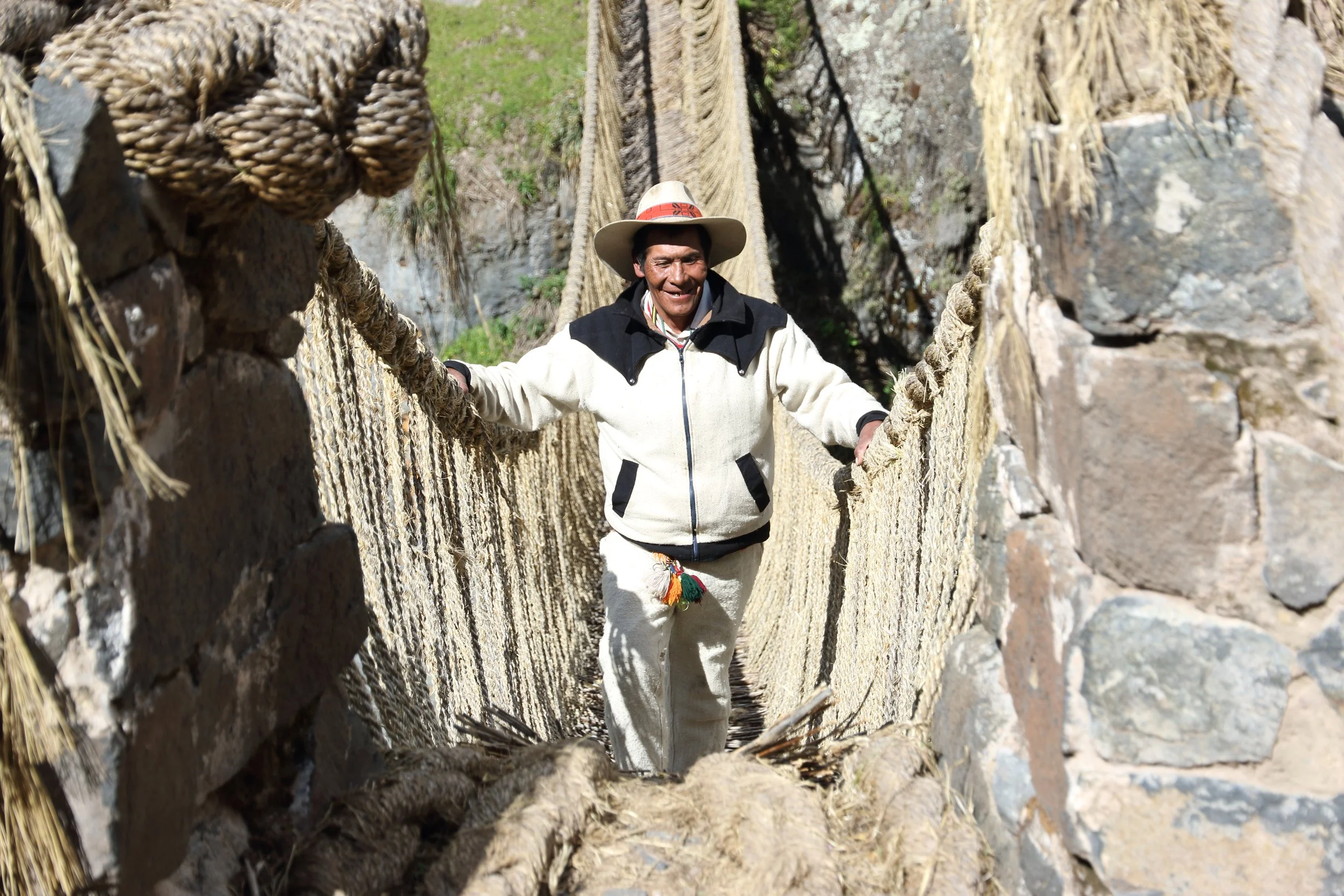
Don Victoriano is the architect of the yearly reconstruction of the Q'eswachaka traditional woven bridge. This bridge, dating from the time when the Tawantinsuyu, or Inka Empire, thrived in the Andes, acts as a link between the past and the future, suspended 100 feet above the Apurimac River in the Andes of Peru. Each year in June, he organizes more than one thousand people from four traditional villages in the Cusco Region of Peru in the renewal of the bridge. His ritual, biocultural, and environmental knowledge serve his community and affirm a collective identity as Quechua peoples. -
![]()
Abby Arquero
Cochiti Pueblo
Abby Arquero, whose Keres name is Kathayatz, meaning Moonlight, is a member of the Cochiti and Kewa Pueblos and resides in Cochiti Pueblo, New Mexico. As a grandmother, mother, educator, and dedicated tribal community member, Abby has devoted her life to Indigenous education and cultural preservation. Today, Abby continues her commitment to language and cultural revitalization through her part-time work at the Keres Children Learning Center (KCLC), a Keres language immersion Montessori school. Abby is deeply committed to ensuring that the Keres language continues to thrive in Pueblo communities. -
![]()
Angelina Aquino Córdova
Zapotec
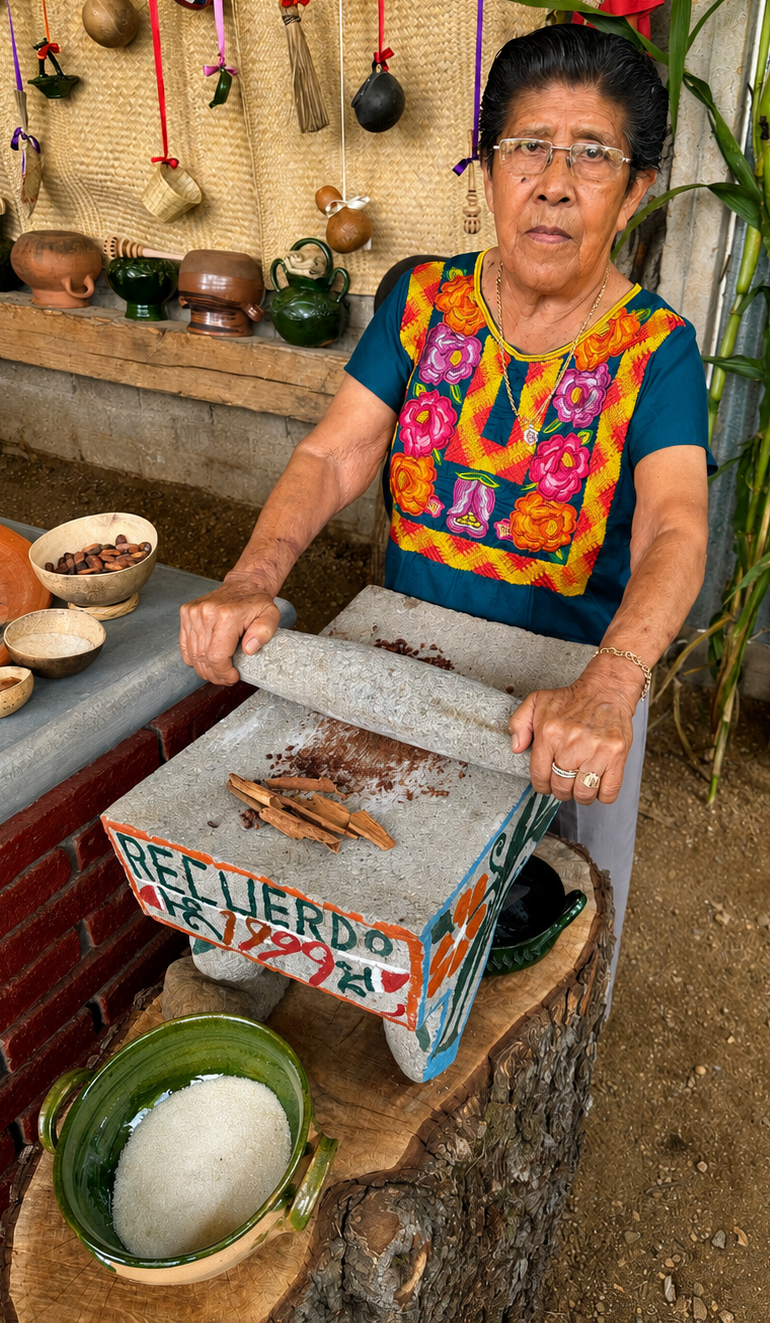
Angelina, known as Mamá Eva, is a Zapotec woman who lovingly preserves her ancestral knowledge of the stars, corn, planting traditions, medicinal plants, and traditional cooking. Today, she continues to practice and safeguard this wisdom while keeping her community’s traditions alive, especially those
rooted in tequio, or collective community work, and the Guelaguetza, which is based in reciprocity. Her words and experience represent a valuable cultural legacy that strengthens the identity and collective memory of her family and community in Zimatlán de Álvarez, Central Valleys of Oaxaca. -
![]()
María Ávila Vera
Yucatec Maya
Doña María is surrounded by the love of her extended family comprised of 11 children, 31 grandchildren, 35 great-grandchildren, and one great-great grandchild—five generation of Yucatec Maya cultural curators. Baba María was born in Xul and raised in Peto, Yucatán, México. She is a steward of the traditions of her ancestors using her life experience and Native language. She animates the knowledge of her ancestors by telling stories with her family, friends, and community. Doña María loves to travel and serves as a bridge between Indigenous and Western ways of knowing.
-
![]()
Ann Ray Saracino
Laguna Pueblo
Ann Ray Saracino is a Laguna Pueblo elder who is deeply respected for her knowledge of her community, culture, and the Pueblo landscape. A gifted basket weaver, she harvests yucca from the surrounding landscape and transforms it into beautiful traditional baskets, passing on both her skills and cultural knowledge to future generations. Ann lives in the main village of Laguna, where she actively participates in Pueblo feast days. She also tends her own hoop house, cultivating food and medicinal plants, and inspires others through her energy, dedication, and lifelong commitment to her community. -
![]()
Roberto Poz Pérez
K'iche' Maya
Don Roberto is a respected calendar day keeper, or Ajq'ij, from the village of Zunil near Quetzaltenango, Guatemala. For more than four decades, he has dedicated his life to preserving the sacred traditions of the Maya calendar, serving as a spiritual leader and guardian of ancestral knowledge. Don Roberto's work continues a living tradition that has endured centuries of colonization and suppression. His participation in the Smithsonian's Living Maya Time project highlights that Maya astronomy, mathematics, and calendrical knowledge are not relics of the past but living traditions sustained by Indigenous communities today.
-
![]()
Max Early
Laguna Pueblo
Max Early of the village of Paguate, is a poet, potter, and educator. He is an inaugural Indigenous Nations Poets Fellow and board member, and has published poetry in Poetry Magazine, Poetry Northwest, and Poets.org. His first book, Ears of Corn: Listen, is followed by a second collection coming soon. Max teaches Pueblo pottery at the University of New Mexico and is deeply rooted in Laguna traditions. Alongside his writing and pottery, he shares traditional foodways, mentors community members, and enjoys passing on cultural knowledge through classes and hands-on learning. His poems in his own voice are in the Resources section. -
![]()
Silvia Gutiérrez Reyes
Zapotec
Silvia is a Zapotec weaver, emerging community leader, and member of the Vida Nueva women's weaving cooperative in Teotitlán del Valle, Oaxaca, Mexico. She creates handwoven wool textiles using traditional Zapotec techniques and natural dyes while helping preserve her community's rich weaving heritage. As part of Vida Nueva, Silvia advocates for women's education, economic independence, and Indigenous rights. She was the first woman in the cooperative to earn a university degree and has represented her community internationally, including speaking at the United Nations about the rights of Indigenous children.